Focus topic
A Reliable Energy Supply and a Crisis-Proof Energy System Cannot Be Taken for Granted

The impact of the ongoing conflict in the Middle East on Germany is just one example of how vulnerable global energy supply chains can be. When critical points in the international market are disrupted, Germany’s energy security is also put at risk. The challenge is that there is often a long chain between energy generation and its end use, with every stage susceptible to disruption – particularly in times of global crisis. For countries such as Germany, which rely on energy imports, these dependencies can quickly become critical vulnerabilities.
Energy supply is a cornerstone of modern society. For citizens, security of supply means having confidence that affordable electricity is reliably available at all times. It means being able to depend on uninterrupted heating in homes and businesses, even during the coldest winter days, and ensuring that vehicles can be refuelled with affordable fuel or electricity, even in times of crisis.
For the economy, security of supply means being able to maintain production processes reliably, even in times of geopolitical upheaval. Energy provides the foundation to keep machines running, ensure that supply chains remain stable, and enable businesses to plan and invest for the long term. Reliable and affordable energy is therefore a key driver of competitiveness, innovation and economic growth.
To date, however, energy security for Germany’s economy and society has depended heavily on international markets – around 70 per cent of the country’s energy needs are met through imports. This is where Energy Partnerships play a crucial role. Through their political and business exchanges with partner countries, they address the energy security needs of both sides and work jointly to strengthen security of supply. After all, secure energy is a shared endeavour.
Securing energy supplies: what does this mean for the German economy?
Germany is a major hub for energy-intensive sectors such as the chemical and metal industries. Consumption figures highlight the scale: German industry requires around 700 to 800 terawatt-hours of energy each year – equivalent to the electricity consumption of more than 200 million households. Reliable and affordable energy is essential for industrial performance and economic growth, and is therefore a central focus of the Energy Partnerships.
A secure and reliable energy supply is not only a priority for Germany. Germany’s partner countries must also navigate geopolitical risks, uncertain supply chains and ensure their own energy supply. For this reason, Energy Partnerships focus on strengthening energy systems both in Germany and abroad, while also diversifying sources of energy generation. The guiding principle is simple: more partnerships mean less dependence. Only a diversified energy mix can ensure truly resilient supply. In this way, production, jobs and competitiveness can be safeguarded over the long term, while Germany benefits from a wide range of global solutions.
Securing energy: the digital dimension
Demand for decentralised and smart energy systems is growing – but this growth also creates new vulnerabilities. The digital control of power grids, pipelines and hydrogen plants increases exposure to cyber threats. Attacks can lead to power outages, production stoppages or even environmental damage.
It is therefore essential to consider energy security in a digital context . Cybersecurity is a critical safeguard for a stable, sustainable and future-proof energy supply and must be integrated into the transformation of these systems.
The Energy Partnerships promote joint research projects, the exchange of best practice, and the organisation of multilateral cybersecurity exercises. Alongside IT specialists, these initiatives bring together experts in crisis communication and decision-makers from the business sector.
Renewable energy and the economy: a winning combination
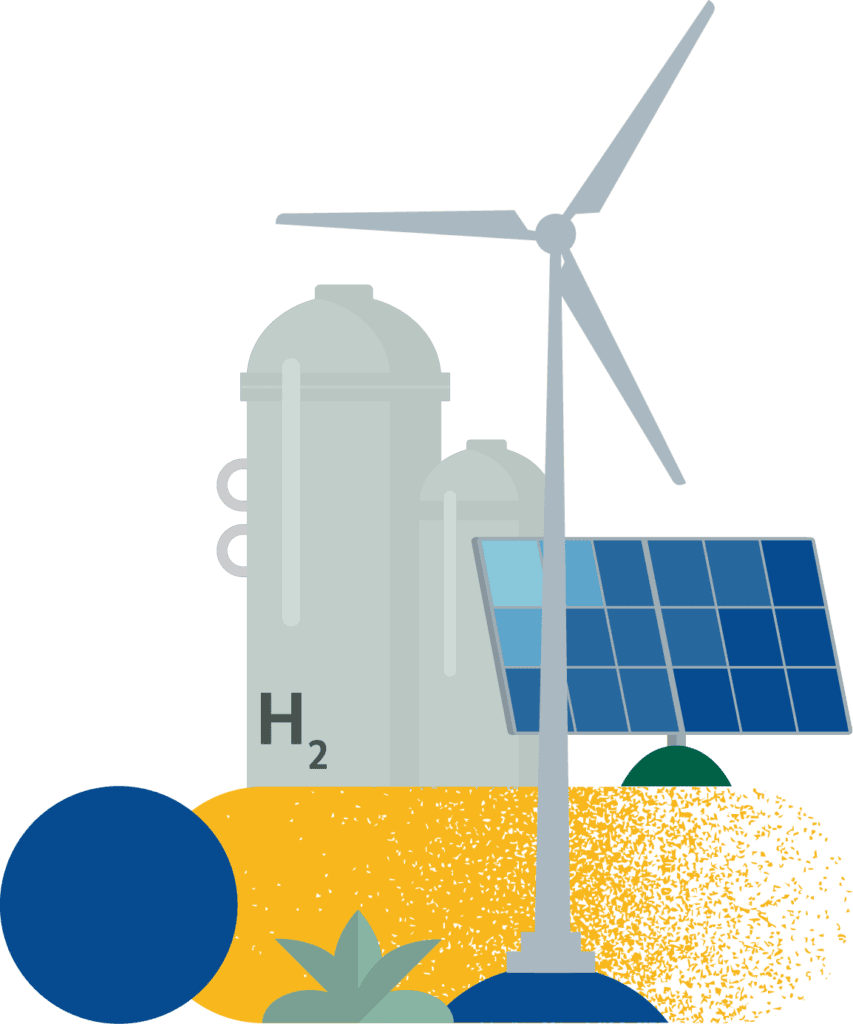
Renewable energy from domestic sources is key to building resilience and reducing dependence on global developments. When electricity, heat and fuels – such as synthetic aviation kerosene – are generated from wind and solar power, demand for imported oil and gas declines. This makes the energy supply more stable and less vulnerable to crises or price fluctuations on global markets. By generating energy from domestic sources, we make ourselves more independent in the long term.
At the same time, partnerships with other countries remain an important tool for diversifying energy imports. These Energy Partnerships support the global expansion of capacity, promote the spread of clean technologies, and facilitate international cooperation in building resilient supply chains. In doing so, they create international trade networks that open up new import and export opportunities for Germany and its partners. Renewable energy is a strategic pillar of economic stability. It forms the basis for sustainable growth, strengthens industrial value chains, and creates new opportunities for innovation both in Germany and in partner countries. At the same time, it underpins international energy cooperation.
Energy Partnerships do not merely accelerate the expansion of renewable energy. They create sustainable jobs and drive technological development in key areas such as grid infrastructure, storage technologies and sector coupling.
If Germany, together with its partner countries, succeeds in structurally strengthening its energy system and reducing dependence on geographically concentrated supply sources, a new form of energy security can emerge. This will enhance resilience in Germany and across Europe over the long term.