Since 2021

Connecting Business, Experts and Decision Makers

  • Strengthened US–German expert cooperation on hydrogen and carbon management.
  • Expanded business collaboration through the International Partnering Forum (IPF) 2025, Hydrogen Business Task Force activities and trade missions. 
  • Broadened dialogue to include new topics and partners. 
Energy security
Decarbonisation
Foreign Trade Promotion
Shaping cooperation under new circumstances

In 2025, new governments took office in both the US and Germany. While many energy topics remained relevant for continued exchange, new priorities in the energy policies of both countries also meant that the Partnership broadened its dialogue to include more topics and partners. 

Connecting businesses

A core priority of US-German energy cooperation was building direct connections between market actors. At International Partnering Forum (IPF) 2025, these efforts enhanced the visibility of German companies in the US offshore wind market while expanding contacts and networks.  

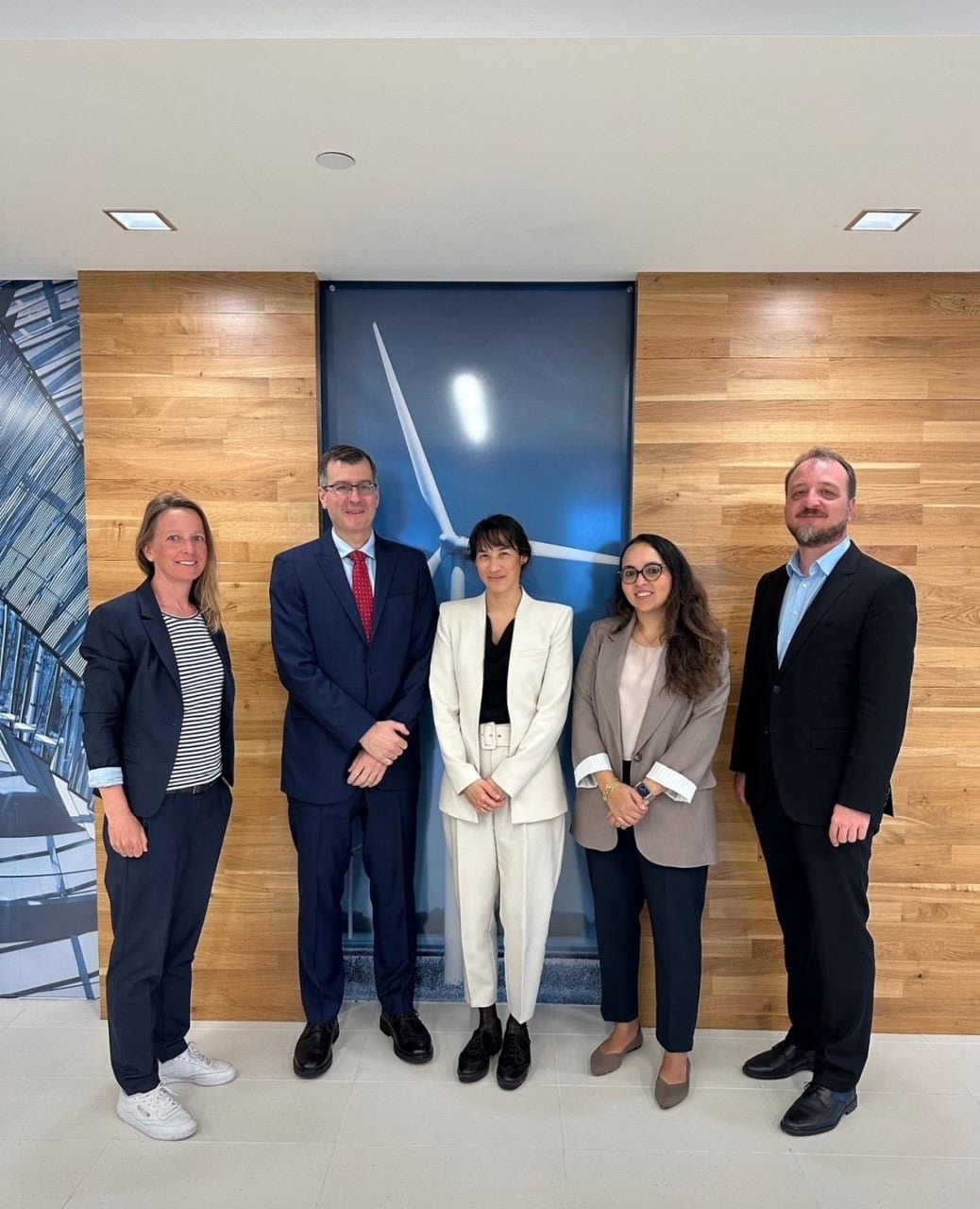
The Hydrogen Business Task Force held several meetings and webinars. Its work gained particular visibility during a German Energy Solutions Initiative trade mission, supporting broader market access. In addition, two delegations and trade missions travelled from the US to Germany in 2025 with the core mission of establishing new business contacts on both sides of the Atlantic. 

Facilitating expert exchange

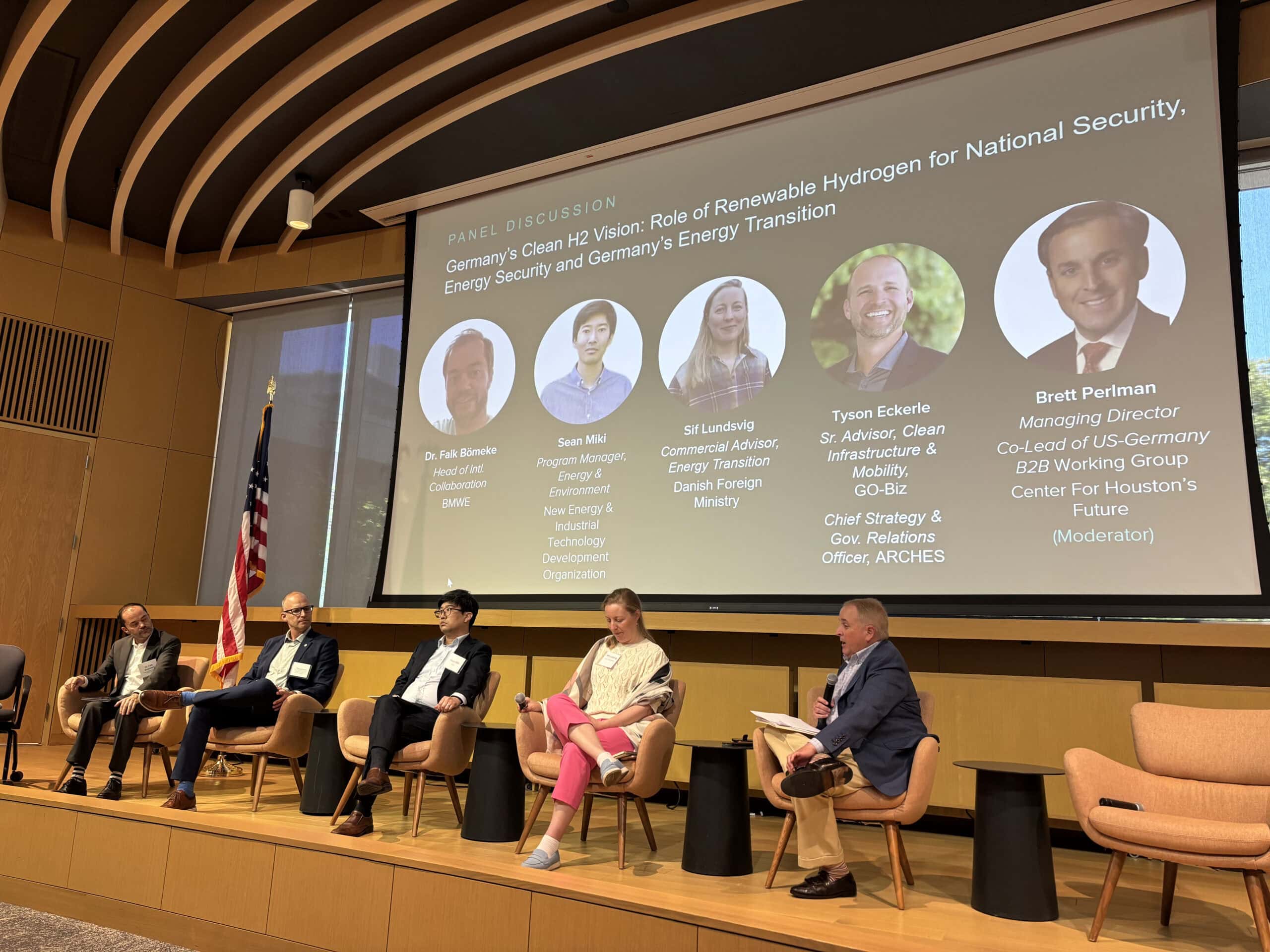
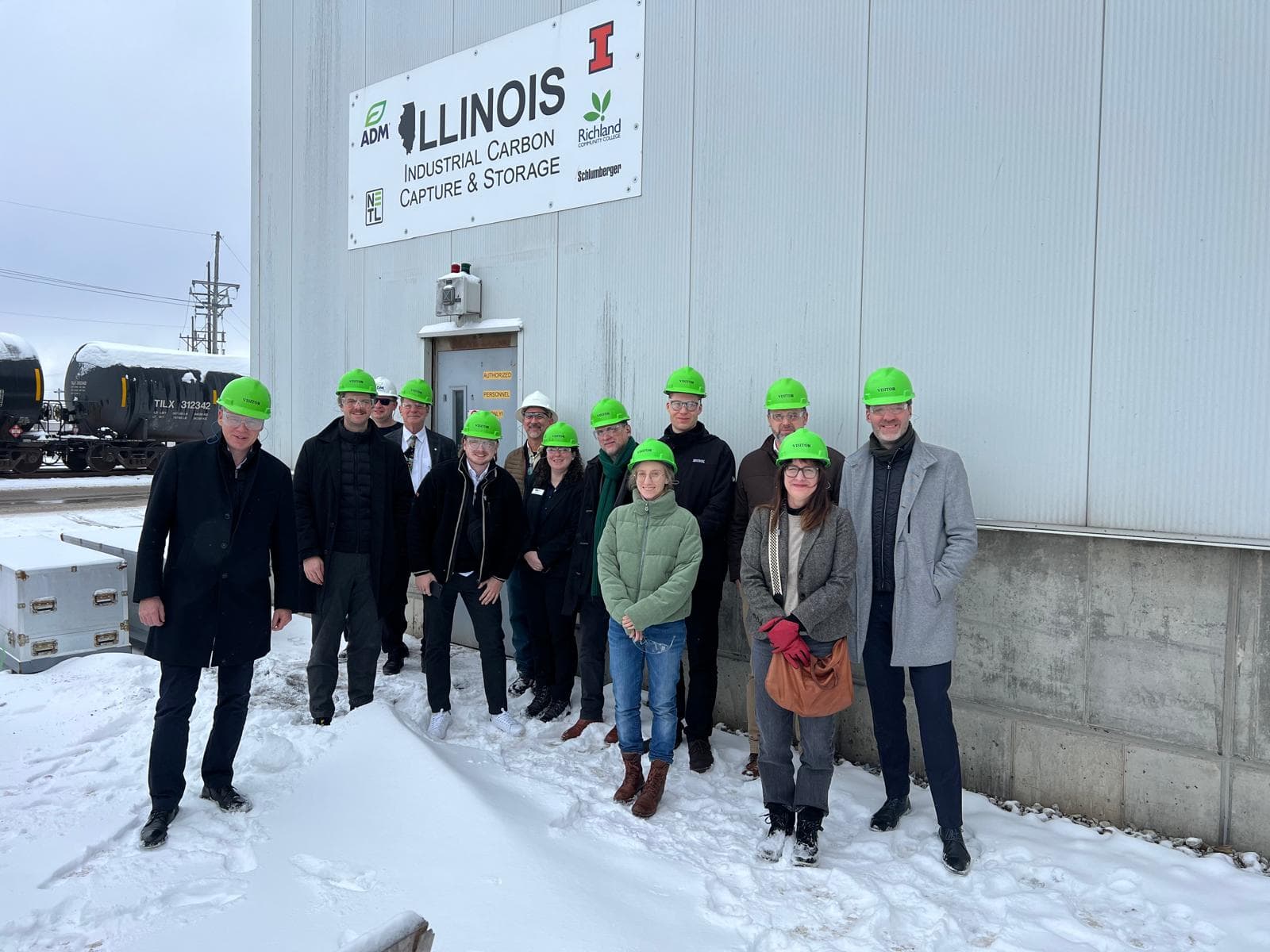
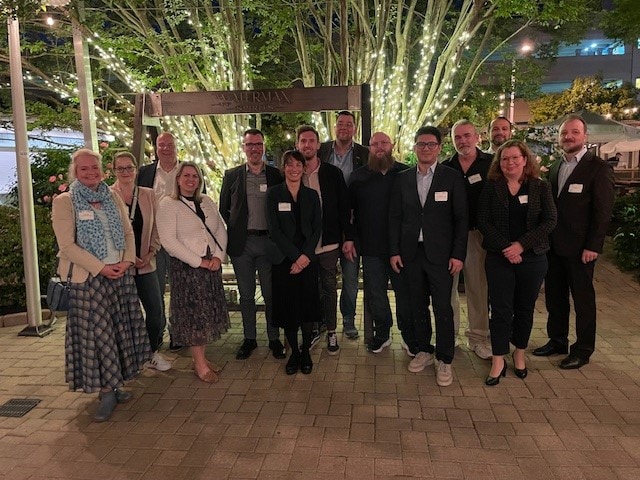
Key events such as CERAWeek and the Global Hydrogen Roundtable deepened technical and regulatory dialogue on hydrogen production, certification, and emerging hydrogen export opportunities to Germany – topics that were continued later that year at the CA Global H₂ Energy Transition Summit in Sacramento, co-hosted by Germany. A fact-finding mission from Germany to the US on Carbon Capture, Utilization and Storage (CCUS) proved valuable insights in the context of Germany’s Carbon Storage Act coming into force. Partners in Illinois and California highlighted regulatory, economic, and public acceptance – factors relevant for German CCUS planning.

More information

1. What has been the most tangible outcome or impact of your partnership activities in 2025?
  • Practical Carbon Capture, Utilization and Storage (CCUS) insights from Illinois and California on carbon capture, storage, regulation, and community engagement.

  • Expanded collaboration through International Partnering Forum (IPF) 2025, CA Global Hâ‚‚ Summit, and Hydrogen Business Task Force activities.

In line with the new administration’s priorities, increasing the extraction of energy resources and ramping up energy exports became top priorities for the US in 2025.

Data centres experienced an unprecedented growth in the US in 2025, creating additional electricity demand and raising regulatory challenges.

Energy storage and system flexibility gained relevance throughout the US due to the storage expansion and related discussions on grid stability and renewable integration.

CCUS remained a priority in the partnership due to Germany’s need for scalable industrial solutions.

Hydrogen supply chains and ecosystems remained a focus in key regions, with clean hydrogen being particularly relevant for exports.

  • Regulatory uncertainty was a cross‑cutting challenge: unclear US hydrogen tax credit rules (45V), shifting federal incentives, evolving CCUS permitting (Class VI), and differing state frameworks (including pipeline moratoria in Illinois and California). These issues required continuous expert briefings and direct dialogue with agencies and developers.
  • Different market and certification systems between the EU and US created complexity, especially for hydrogen (origin rules, emissions accounting) and CCUS (liability regimes, COâ‚‚ purity standards). These were addressed through deep technical discussions during the Global Hydrogen Roundtable and in meetings with regulators, think tanks, and state agencies.

A year of connecting ideas to real opportunities

One moment that captured the impact of the partnership in 2025 was the way activities across the US began to reinforce each other. At CERAWeek in Houston, German delegates explored emerging hydrogen and ammonia export routes and engaged directly with US developers, creating tangible momentum for future clean‑energy imports.

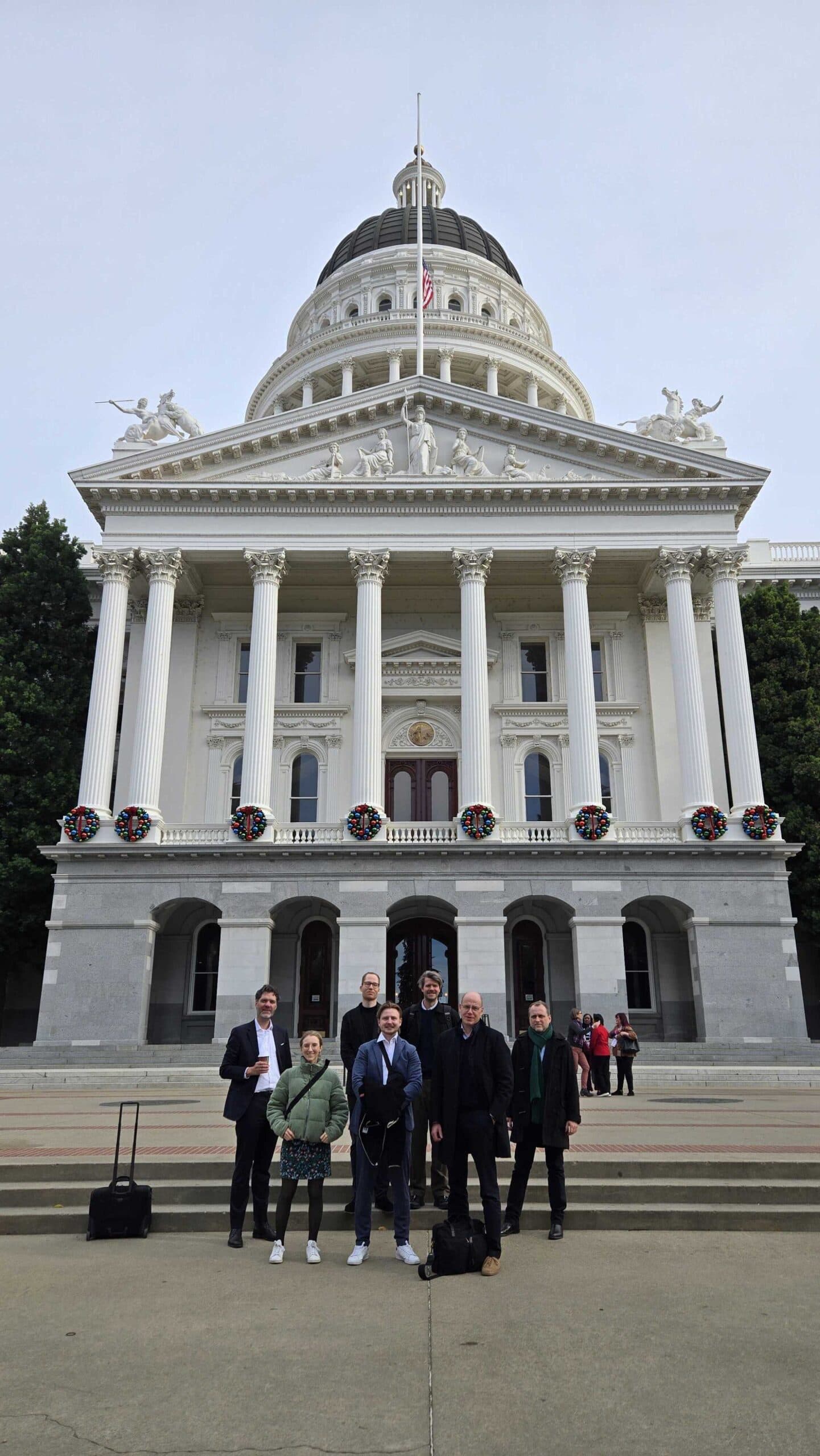
The CA Global H₂ Energy Transition Summit brought German and Californian decision‑makers together in a high‑level setting, where shared priorities – from hydrogen and storage to grid development, zero‑emission mobility, carbon management, and agrivoltaics – were defined as areas for deeper cooperation.

The CCUS delegation to Illinois and California offered firsthand insights into how carbon capture, storage, regulation, and community engagement were already implemented at scale across different states.

Together, these activities demonstrated how the partnership delivered on its overarching goals: strengthening energy security through diversified hydrogen pathways, advancing decarbonisation with practical CCUS and renewable‑energy insights, and promoting foreign trade by connecting German companies to concrete opportunities in US clean‑energy markets.

  • Strong presence at the CERAweek 2026 in Houston.
  • Incoming delegation from Minnesota.
  • Expert exchange on various topics.

Our year in pictures

Contact

Britta Schneider
Deputy Director
Britta Schneider
Bastian Stenzel
Senior Manager
Bastian Stenzel
In close collaboration with the
U.S. Department of Energy (DOE)

Further partnerships in North America