Since 2021

Steady Progress on Hydrogen Export and Exploration of New Topics

  • The Energy Partnership advanced hydrogen cooperation between Canada and Germany.
  • The delegation trips to Germany on electricity grids and Canada on Carbon Capture, Utilisation, and Storage (CCUS) were highlights of the year and provided the delegation with many new insights.
  • The Energy Partnership explored new topics: Electro-Sustainable Aviation Fuel (eSAF), Carbon Capture, Utilisation, and Storage (CCUS), electricity grids, and revisited discussions on Liquefied Natural Gas (LNG)

Energy security
Decarbonisation
New cooperation topics

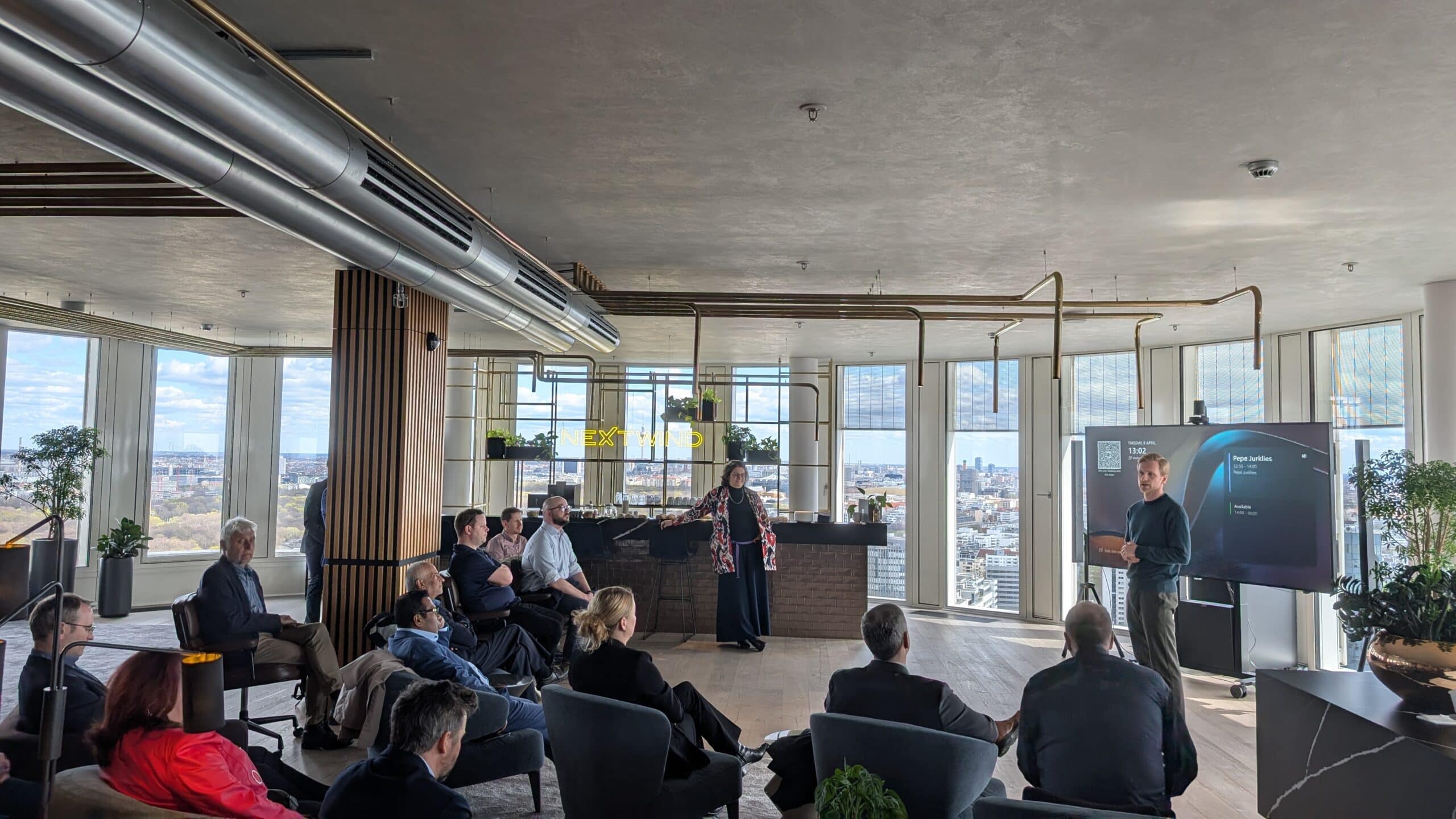
In 2025, two delegation visits facilitated knowledge exchange and helped establish new areas of cooperation. In spring, a delegation of key Canadian electricity grid stakeholders visited Berlin and Leipzig for an expert exchange on grid development, modernisation, and renewables integration. In late summer, a delegation of German experts specialised in Carbon Capture, Utilisation, and Storage (CCUS) visited Edmonton and Calgary in the Canadian Province of Alberta. The delegation was accompanied by the Canadian Trade Commissioner Service and used the opportunity to learn about CCUS projects and best practices, gaining valuable insights for future collaboration. In the final months of 2025, the partnership hosted two workshops: one focused on Sustainable Aviation Fuel (SAF) and another examining the feasibility of potential LNG-exports from Canada to Germany. The two governments will continue to exchange updates on current developments on the latter. A series of government-to-government exchanges on Liquefied Natural Gas (LNG) are planned to be part of the Energy Partnership in 2026.

Activities and Events on Hydrogen and Critical Minerals in 2025

The year 2025 saw a steady stream of activities around hydrogen and ammonia export.

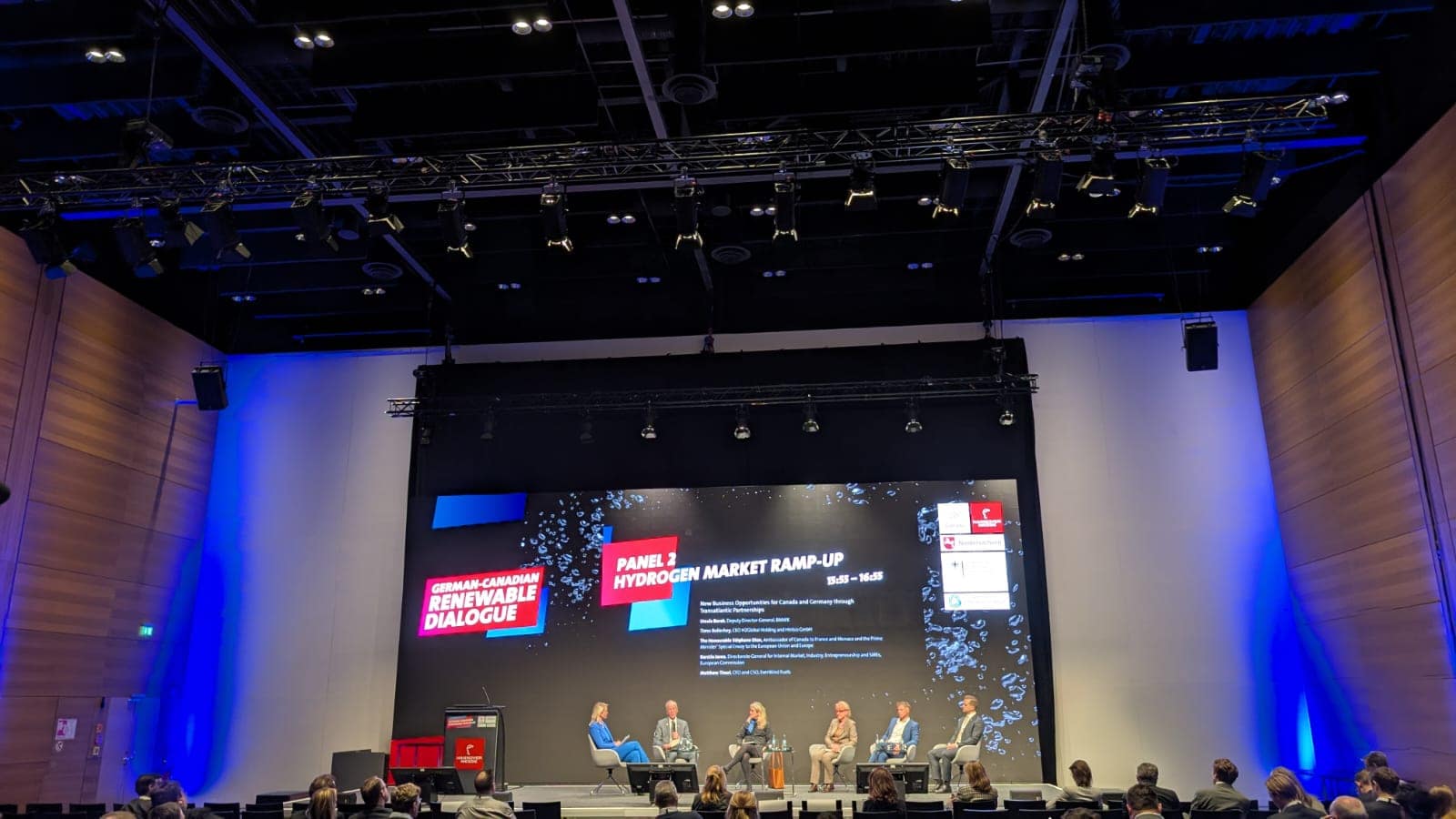
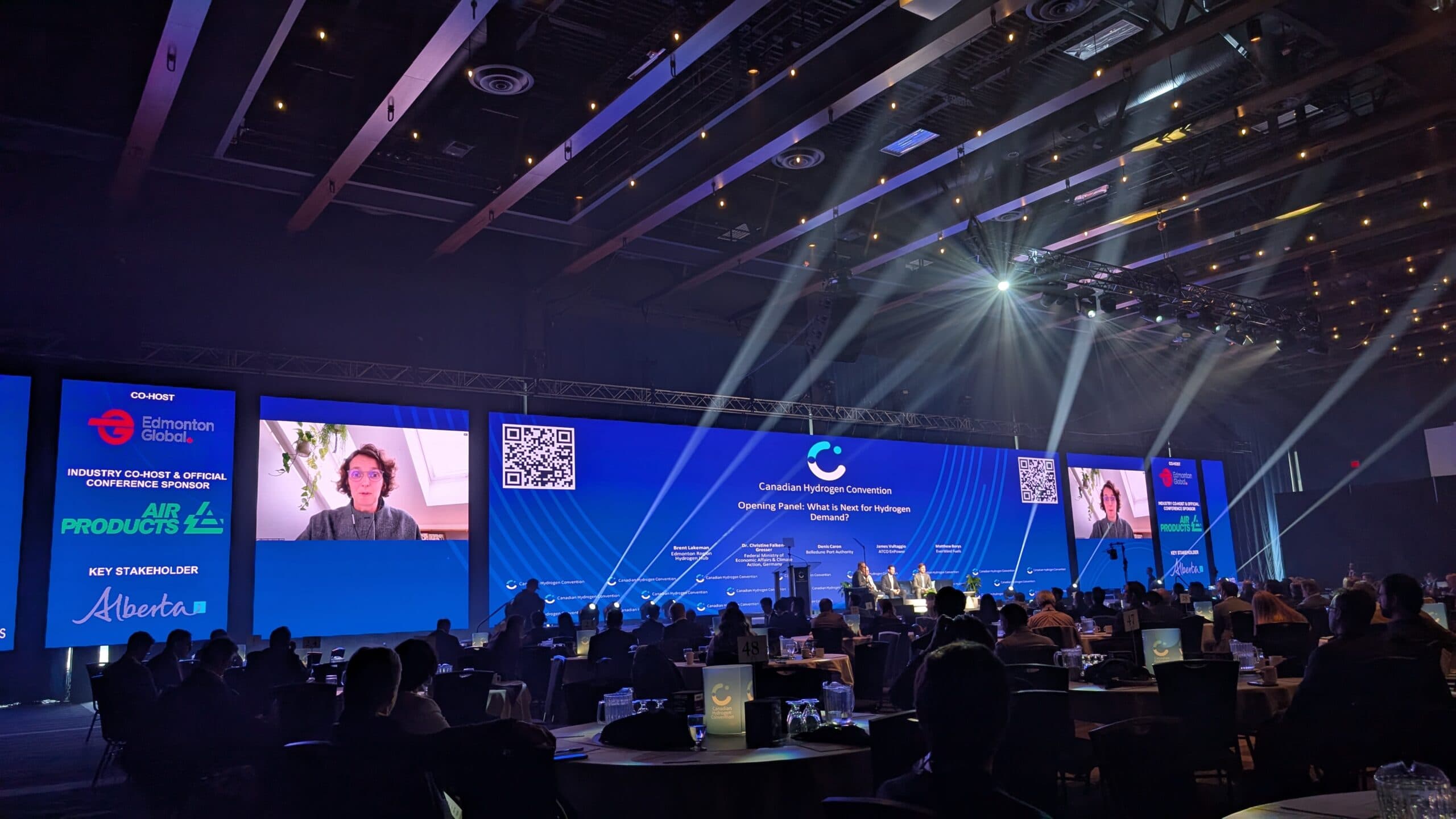
The kick-off featured a panel at Hannover Messe in April, where Canada was the country of honour. This was followed by a panel discussion with EU and Dutch representatives at the Canadian Hydrogen Convention, featuring a main stage presentation by Germany’s Federal Ministry for Economic Affairs and Energy (BMWE). Throughout the year, the Energy Partnership further organised and supported workshops focused on a bilateral H2 Global Funding Window – a programme that received the European Commission approval in early 2026.

On the topic of critical minerals, the Energy Partnership participated in the PDAC Mining conference in Toronto in March 2025 and hosted a roundtable discussion on the sidelines of the Canada-Germany High-Level Steering Group on Bilateral Cooperation (HLSG) in Ottawa in October.

Overall information

1. What has been the most tangible outcome or impact of your partnership activities in 2025?

The Energy Partnership organised a business roundtable alongside the high-level Canada-Germany Steering Group on Bilateral Cooperation, directly supporting this key political forum.

  • Hydrogen for export
  • Electricity grids for mutual learnings
  • CCUS insights from Canada

No major challenges.

One activity had to be cancelled and a study postponed, but with no negative consequences for the partnership.

Partnership activities on hydrogen helped advance the establishment of a dedicated H2 Global Window for Canada.

Early discussions on LNG restarted a conversation about LNG-export to Germany.

The delegation visit on grid development and renewable integration proved highly valuable for the Canadian guests; they have continued to engage with their new German contacts, including inviting them to conferences.

A study tour to Germany on CCUS.

Our year in pictures

Contact

Marie MĂ¼nch
Consultant

In close collaboration with
Natural Resources Canada

Further partnerships in North America