Since 2023

Uruguay: Second Phase Energy Transition in a Nearly 100% Renewable Power System

  • Germany and Uruguay are advancing decarbonisation beyond the power sector, particularly in transport, industry and heat.
  • German cooperation supports system flexibility, storage deployment and digitalisation in a near 100% renewable electricity system.
  • Joint work on policy, regulatory frameworks and financing instruments enables the next phase of the energy transition.
Energy security
Decarbonisation
Foreign Trade Promotion

Since 2008, Uruguay has undergone a structural transformation driven by a consistent and well-defined strategy, most recently meeting around 98% of its electricity demand from renewable sources such as hydropower, wind and biomass. Through its 2024–2043 expansion plan, the government proactively addressed rising demand driven by sector coupling and the development of a hydrogen economy. The coordinated expansion of wind and solar photovoltaics (PV) combined with modern storage technologies and the National Energy Efficiency Plan 2025–2035, is helping to safeguard both national competitiveness and security of supply.

Green hydrogen and derivatives

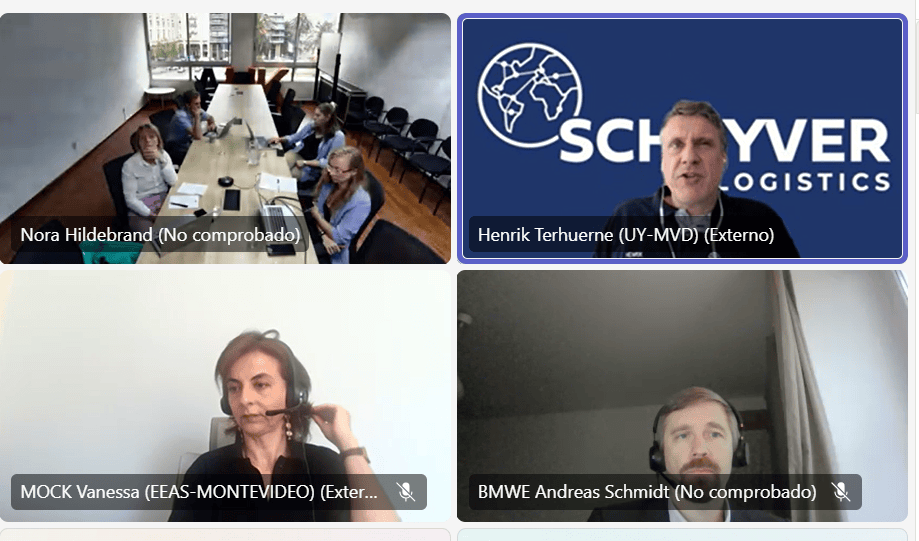
Uruguay is harnessing its surplus of green electricity to build an export economy centred on green ammonia. The Energy Partnership with Germany supported this process through regular dialogue between policymakers, specialist authorities and industry, with a focus on:

  • Ensuring safe production and transport conditions
  • Establishing international sustainability and certification standards
  • Meeting port and logistics requirements for export
  • Creating appropriate regulatory frameworks to attract investment.

In parallel, a comprehensive study on skills development across the entire hydrogen value chain was published in 2025.

Energy efficiency and sustainable mobility

The Uruguayan-German Energy Partnership has supported Uruguay’s Ministry of Industry, Energy and Mining (MIEM) in improving energy efficiency and integrating energy systems.

In the area of sector coupling, advisory work successfully facilitated the system-friendly integration of electromobility into the existing grid.

To improve efficiency, economic incentive schemes were introduced for both industry and the building sector.

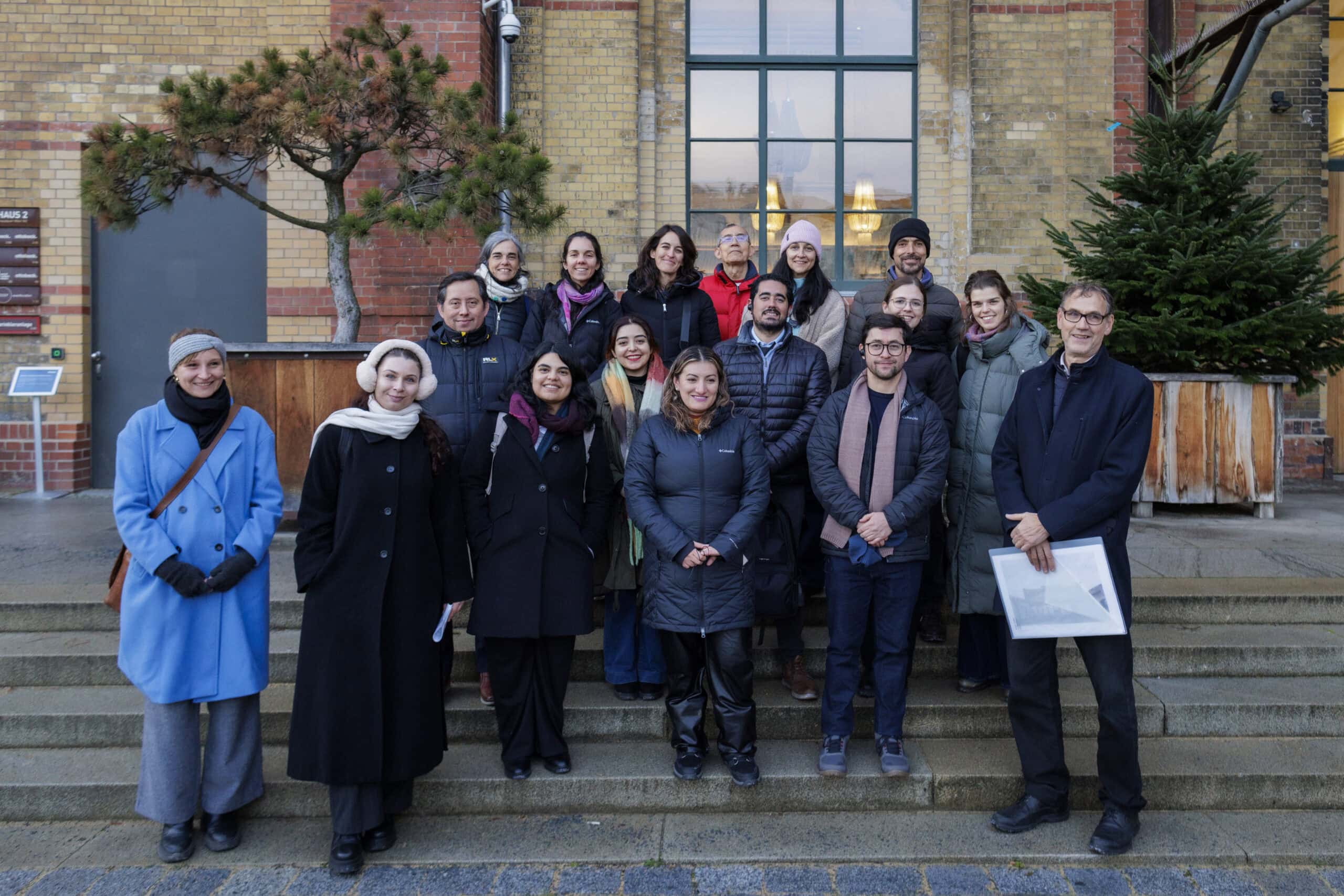
During a study visit to Berlin focusing on energy efficiency in buildings, there was also a direct exchange on German funding instruments and regulatory standards.

On behalf of Uruguay’s Ministry of Industry, Energy and Mining (MIEM), we would like to express our sincere gratitude for the support provided by the German government within the framework of our Energy Partnership, which enabled us to take part in the on-site technical seminar ‘Energy Efficiency in Buildings’ in Berlin. The seminar content was jointly developed based on our specific needs and priorities, and three experts from our country participated.

This seminar highlights the importance of this topic for Uruguay, particularly in the context of our Second National Energy Efficiency Plan 2025–2035 and lays the foundation for continued cooperation between our countries in establishing a solid regulatory framework and a robust market for energy-efficient buildings, for the benefit of our citizens.

Chem. Eng. Arianna Spinelli
National Director of Energy at the Ministry of Industry, Energy and Mining (MIEM)

More information

1. What has been the most tangible outcome or impact of your partnership activities in 2025?

The partnership strengthened Uruguay’s institutional and technical capacities to ensure energy security within an almost entirely renewable electricity system. At the same time, German companies were strategically positioned as technology partners, particularly in the field of system resilience.

Uruguay faced the challenge of further developing its renewable energy system in response to rising demand. The objective was to ensure security of supply and system stability, to advance the decarbonisation of industry and transport through electrification as well as green hydrogen and its derivatives, to create reliable investment conditions, and to meet international climate and trade requirements.

The implementation of these ambitious energy targets involved significant technical challenges, including the increasing complexity of the energy system and a shortage of specialised skilled workers. A study developed under the Energy Partnership on skills development along the hydrogen value chain analysed future demand for technical qualifications and set out concrete recommendations for education and training programmes.

A key contribution of the Uruguayan-German Energy Partnership to these overarching objectives was an energy efficiency training course held in Berlin.

Energy security was further enhanced by strengthening institutional capacities for the development and implementation of energy efficiency policies and instruments. By focusing on demand-side management, energy savings, and the long-term reduction of energy intensity, the role of energy efficiency as a central pillar of security of supply was reinforced in the context of growing electricity demand.

Decarbonisation efforts were supported through the exchange of best practices on efficiency standards, regulatory instruments and financing mechanisms, contributing to emissions reductions across multiple sectors.

Foreign trade and competitiveness were indirectly strengthened by the transfer of technical and regulatory expertise aligned with international best practice, thereby supporting the development of a modern and investment-friendly energy policy framework.

Several activities are planned for 2026.

  • A technical exchange between private and public sector experts from both countries is scheduled.
  • Technical advisory support for the implementation of the National Energy Efficiency Plan is also envisaged.
  • In addition, the third meeting of the Local Business Council is planned.

Our year in pictures

Contact

Daina Neddemeyer
Head of Secretariat of the Uruguayan-German Energy Partnership
In close collaboration with the
Ministry of Industry, Energy and Mining of Uruguay

Further partnerships in Latin America