Since 2017
Turning Renewable Leadership into
Energy Security and Industrial Decarbonisation
- Hydrogen development advances from strategy to market-building, with platforms such as H2Global and H2LATAM linking policy dialogue with private-sector engagement and regional coordination.
- Industrial decarbonisation cooperation translated into concrete technical exchanges.
- Policy design for low-carbon industrial technologies was strengthened through technical inputs to the Regulatory Impact Assessment (RIA) for Brazil’s National Programme for the Rational Use of Petroleum and Natural Gas Derivatives (CONPET).
- Building energy efficiency standards were strengthened, with updates expected to deliver long-term electricity savings and create opportunities for automation and digital solutions.
Energy security
Decarbonisation
Foreign Trade Promotion
In 2025, Brazil solidified its position as a strategic energy partner for Germany, building on its renewable energy leadership – with renewables accounting for 88.2% of its electricity mix – and expanding its global influence as BRICS presidency holder, G20 chair, and COP30 host. Brazil played a central role in international energy and climate initiatives, including the launch of the Global Coalition for Energy Planning. At the same time, progress in finalising the EU–Mercosur Agreement created new opportunities for expanding trade in low-carbon products and clean technologies, strengthening prospects for sustainable economic partnerships.
Hydrogen as an energy security tool
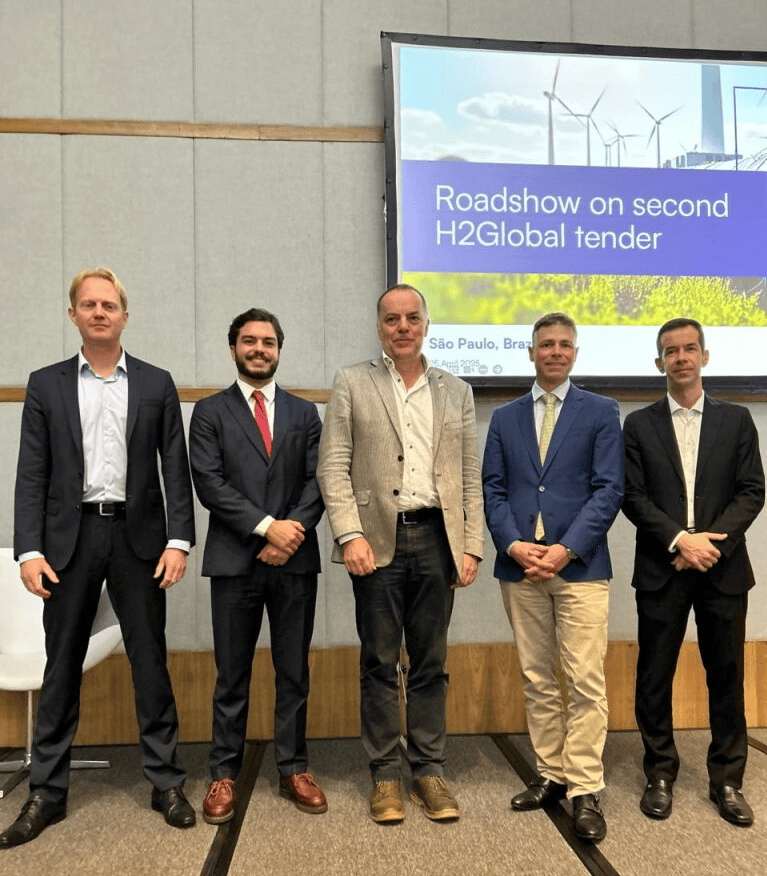
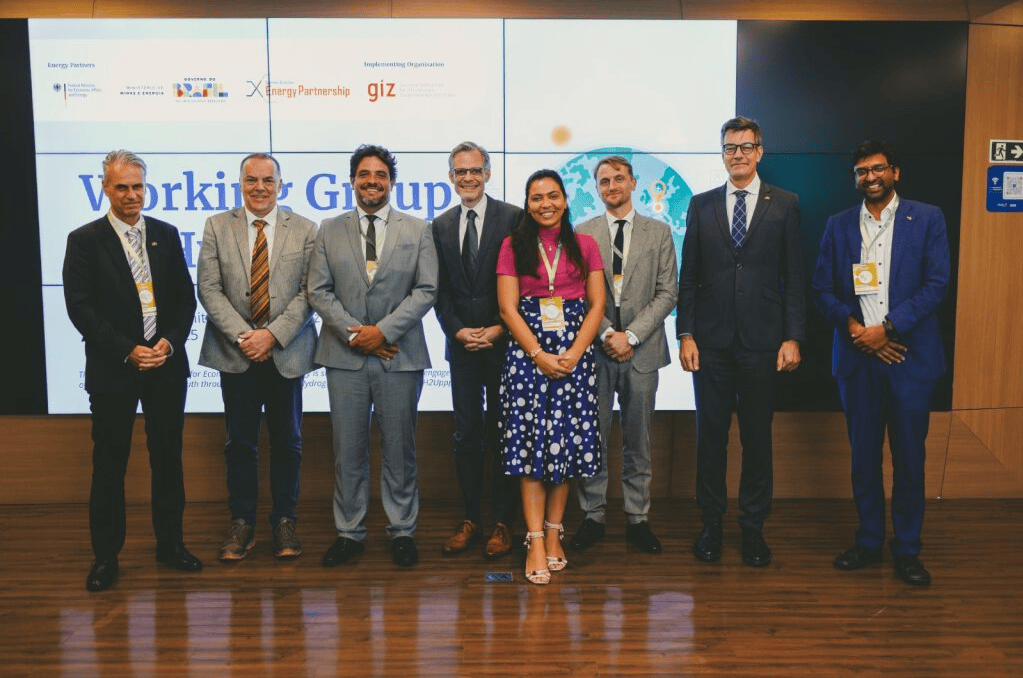
To support Brazil’s emergence as a hydrogen producer, user, and exporter, the Energy Partnership (EP) advanced market development through key platforms. The H2Global Roadshow in SĂ£o Paulo brought together over 200 producers and off-takers, connecting producers and buyers across the sector. Meanwhile, the H2LATAM Summit in Fortaleza, organised by H2Uppp, hosted the first regional government-to-government (G2G) roundtable with Brazil, Colombia, Uruguay, Chile, and Germany with a focus on harmonising regulations, certification, and infrastructure. Additionally, the Local Business Council engaged German companies to identify investment opportunities and explore the potential for resilient supply chains.
Partner for a low-carbon industry
To advance Brazil’s industrial decarbonisation and climate goals, the EP combined policy dialogue with technical expertise. At the Berlin Energy Transition Dialogue (BETD), Brazil highlighted its Energy Efficiency Networks model, demonstrating how collaboration can drive industrial savings and improve operational efficiency and security. The EP also contributed technical insights to the Regulatory Impact Assessment (RIA) for Brazil’s National Programme for the Rational Use of Petroleum and Natural Gas Derivatives (CONPET), shaping policy frameworks to accelerate the adoption of low-carbon technologies in industry.
Paving the way for building energy efficiency
Improving building energy efficiency is crucial for enhancing energy security and reducing system-wide energy demand and costs. The EP delivered technical studies and regulatory analysis that helped modernise national efficiency standards, leading to new minimum requirements due to take effect in 2027. These updates are expected to save approximately 17 million MWh by 2040, reducing the need for new power generation while creating demand for advanced solutions in building automation, smart metering, and digital energy management.
More information
1. What has been the most tangible outcome or impact of your partnership activities in 2025?
The most tangible outcomes included market-building platforms for hydrogen, technical inputs that strengthened regulatory frameworks for low-carbon technologies, and institutional support for implementing energy efficiency standards.
2. Which focus areas were particularly relevant for your country in 2025 and why?
Energy security, industrial decarbonisation, hydrogen market development and energy efficiency.
3. What were the main challenges in implementing activities in 2025, and how were they addressed?
Coordinating multiple stakeholders across institutions and sectors, moving from high-level dialogue to market-relevant outcomes and managing timing and sequencing across political calendars.
4. How did your activities contribute to the selected overarching goals (energy security, decarbonisation, foreign trade promotion)?
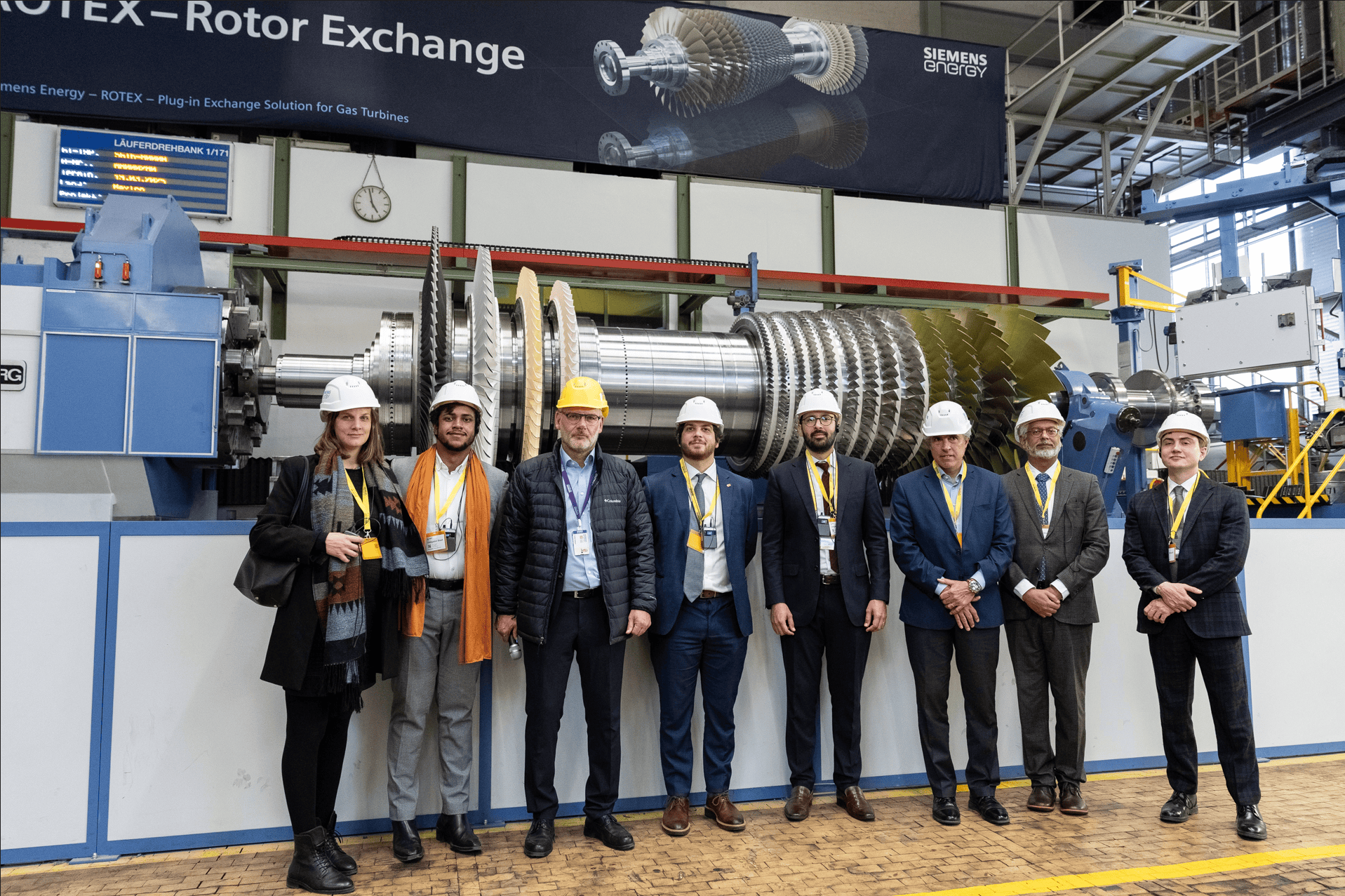
The EP advanced energy security and market readiness by delivering the H2Global Roadshow (SĂ£o Paulo) and the H2LATAM Summit (Fortaleza), connecting over 200 producers and off-takers and enabling the first regional government roundtable to align on certification and infrastructure planning. The EP also supported industrial decarbonisation through BETD engagement, a Siemens Energy technical visit, and technical inputs to the CONPET Regulatory Impact Assessment (AIR) to strengthen policy frameworks for low‑carbon technologies. In addition, the EP reinforced efficiency as an enabler by developing the underlying technical studies and regulatory impact analysis that informed Brazil’s building efficiency standards effective from 2027, expected to save approximately 17 million MWh by 2040, and to create sustained demand for building automation and digital energy management solutions.