Since 2022
Advancing Green Hydrogen for Climate Action and Sustainable Value Chains
- The Namibian-German Green Hydrogen Partnership advanced long-term energy diversification and supported the development of reliable green hydrogen supply chains.
- Support for maritime decarbonisation positioned Namibia as a strategic partner for sustainable shipping routes aligned with Europe’s climate ambitions.
- High environmental and governance standards de-risked investment and created stable framework conditions for German companies.
- Namibia not only has the potential to produce and export green hydrogen, but also to develop competitive green value chains around critical raw materials, including green fertiliser, green iron, lithium and glass.
Energy security
Decarbonisation
Foreign Trade Promotion

Namibia has strong potential for green hydrogen and offers strategic opportunities for both countries. Through the Green Hydrogen Partnership, the two partners worked together to advance climate goals, strengthen energy security and create new trade and investment opportunities. The Partnership supported the development of a green hydrogen sector that is environmentally responsible, economically viable and aligned with Namibia’s sustainable development goals.
Enabling green maritime corridors
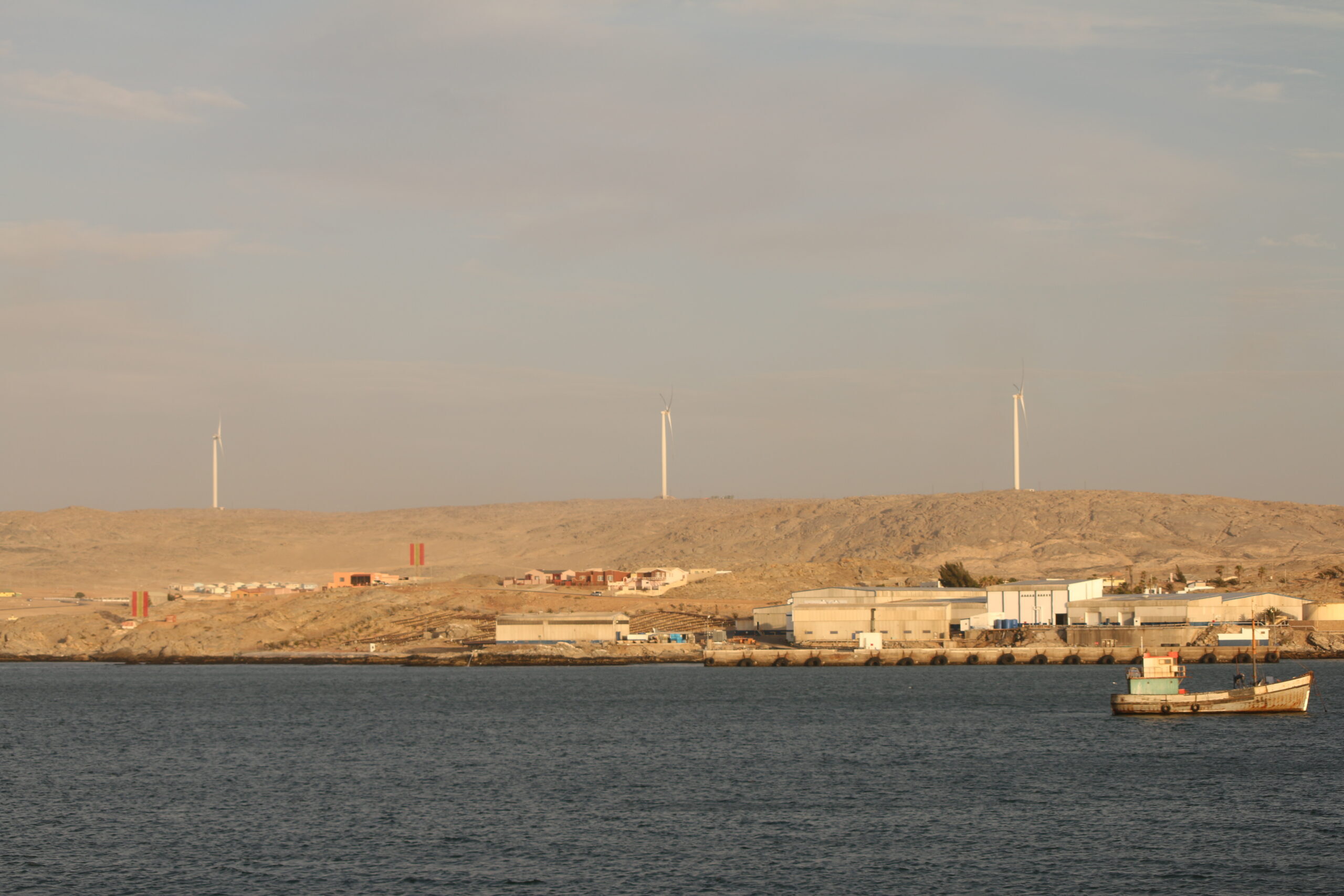
Namibia aims to decarbonise its maritime sector, which aligns with European ambitions for green ports and climate-neutral trade routes. Through Power-to-X (PtX) shipping training and support for a National Action Plan on Maritime Decarbonisation planned for 2026, Namibia strengthened its role as a reliable partner for green fuel supply and sustainable shipping routes. These efforts also helped improve the country’s competitiveness.
Strengthening civil society engagement in Namibia’s hydrogen development
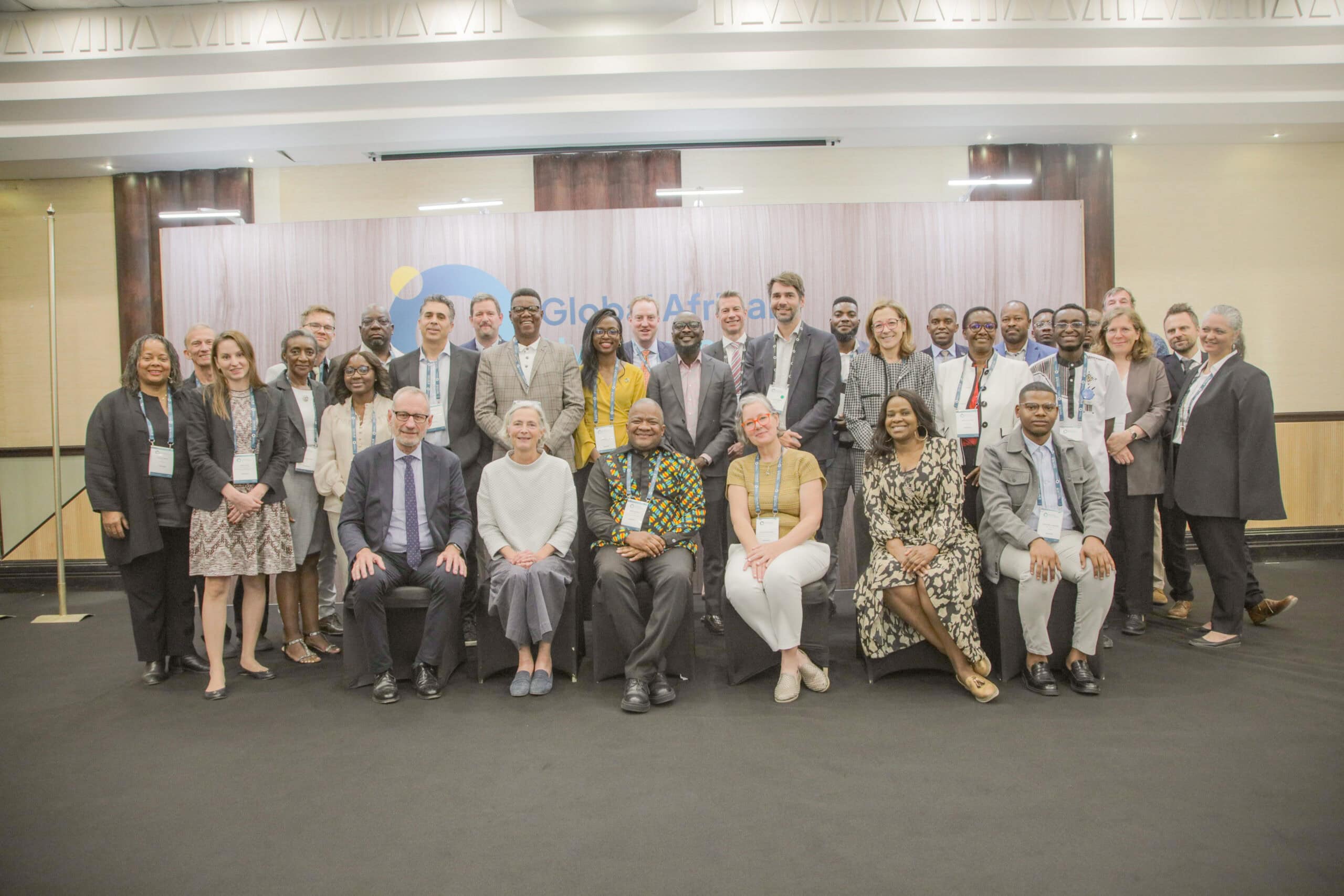
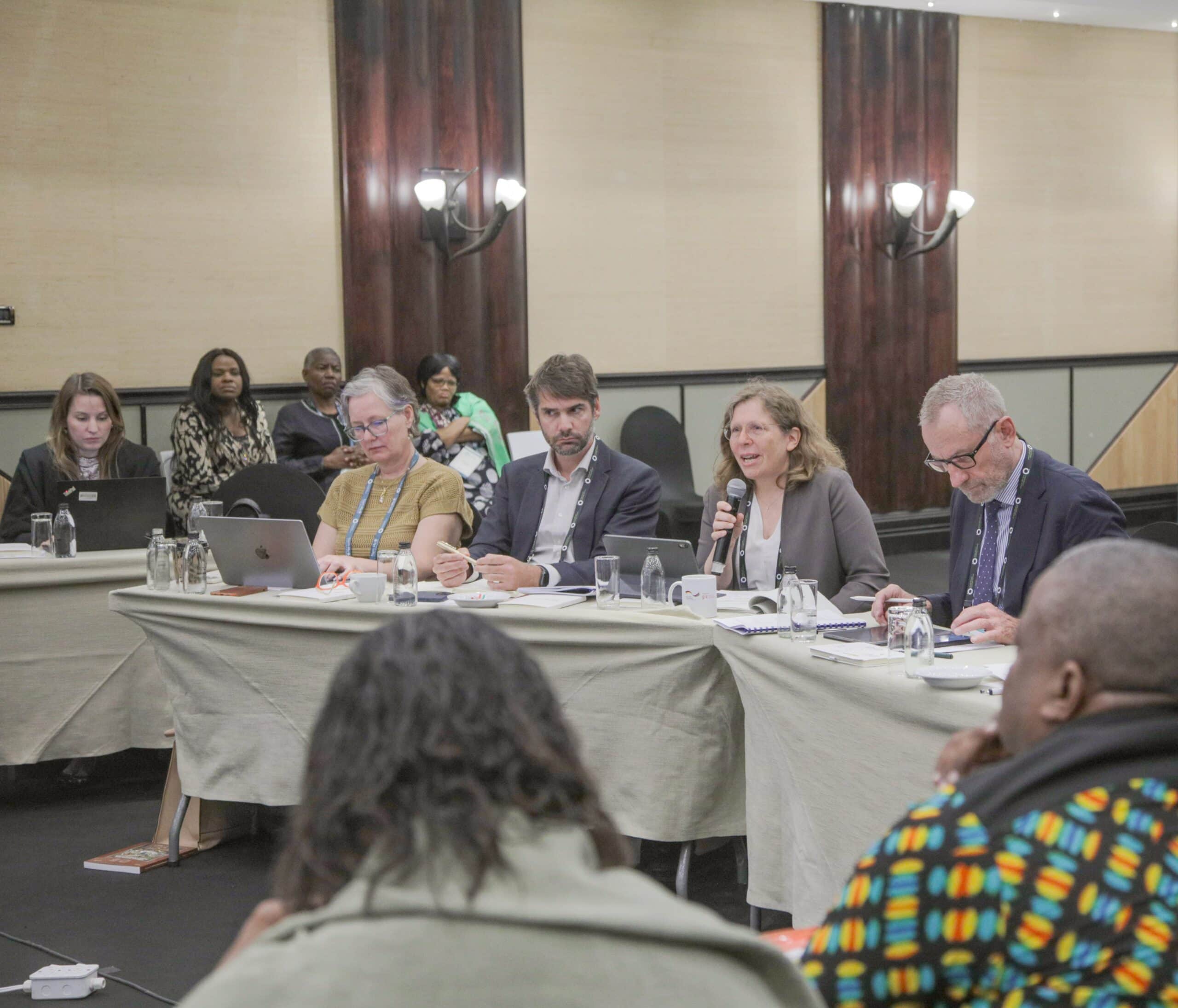
At the Global African Hydrogen Summit 2025, held from 9–11 September in Windhoek, the Green Hydrogen Partnership and the European Union organised a civil society roundtable. The discussion focused on transparency, governance frameworks, environmental safeguards and meaningful community participation in Namibia’s green hydrogen development. The aim was to ensure societal inclusion in the development of the sector while also strengthening social acceptance for large-scale hydrogen projects in Namibia.
Participants highlighted the need for a strong regulatory framework covering both domestic use and export of green hydrogen. They also called for continued dialogue between government, investors and local communities. Representatives from the German Federal Ministry of Economic Affairs and Energy (BMWE) and the EU Delegation to Namibia took part in the discussion.
Ensuring high environmental standards for biodiversity conservation
Biodiversity monitoring in sensitive areas such as the Tsau //Khaeb National Park, where several green hydrogen projects are planned, helped ensure compliance with international sustainability standards. This created a stable and credible investment environment for German companies seeking secure and environmental, social, and governance (ESG)-aligned supply chains.
A study was undertaken to quantify the ecologically and biologically sensitive hotspots in the Tsau //Khaeb National Park. This activity is expected to strengthen the capacity of Namibian authorities to guide responsible development within the park.
Developing new green value chains based on affordable clean energy
In cooperation with the private sector, the Green Hydrogen Partnership explored new green value chains. One example was the potential production of glass using Namibia’s renewable energy resources and mineral deposits. Glass production is energy-intensive and plays an important role in German industrial value chains. Producing glass with affordable renewable energy could support Namibia’s green industrialisation while contributing to more diversified and climate-neutral supply chains for Germany.
Three Questions for Namibia’s Green Hydrogen Programme
Joseph Mukendwa, Head of the Namibian Green Hydrogen Programme, explains what makes this partnership so valuable and how both Germany and Namibia benefit from it.
You are currently viewing a placeholder content from Vimeo. To access the actual content, click the button below. Please note that doing so will share data with third-party providers.
More InformationMore information
1. What has been the most tangible outcome or impact of your partnership activities in 2025?
The partnership strengthened inclusivity through active engagement with civil society.
Environmental stewardship through the kick-off of a biodiversity assessment and mapping exercise in one of Namibia’s most pristine protected areas, the Tsau //Khaeb National Park located in the Southern Green Hydrogen Valley.
Improved competitiveness for Namibia’s maritime sector, a hard-to-abate area, through the development of a National Action Plan.
2. Which focus areas were particularly relevant for your country in 2025 and why?
Civil society engagement remained critical for the Green Hydrogen Partnership to demystify the green hydrogen sector and strengthen transparency. In addition, actively involving youth in discussions on the energy transition and defining opportunities for them is an activity with high promise.
3. How did your activities contribute to the selected overarching goals (energy security, decarbonisation, foreign trade promotion)?
Strengthening energy security
By supporting Namibia’s green hydrogen ambitions, the Green Hydrogen Partnership contributed to long-term energy security through diversification and local value creation. The Green Hydrogen Youth Ambassadors Programme equipped young leaders with skills and networks to participate in shaping the energy transition. By building domestic expertise and strategic partnerships, Namibia strengthened long-term energy security.
Advancing Decarbonisation
Through PtX Shipping Training and the planned National Action Plan for Maritime Decarbonisation, Namibia aligned with international climate frameworks and promoted sustainable shipping. These efforts helped reduce emissions in the maritime sector. At the same time, biodiversity monitoring in Tsau //Khaeb National Park ensured that green hydrogen development meets high environmental standards, reinforcing climate action while protecting ecosystems.
Enhancing Foreign Trade and Competitiveness
Green hydrogen and green shipping positioned Namibia as a competitive maritime hub. Engagement at the Global African Hydrogen Summit with investors and civil society strengthened governance, transparency and inclusive dialogue. These measures enhanced Namibia’s attractiveness as a reliable trade partner for Europe and global markets seeking low-carbon energy imports, while supporting the country’s emerging green value chains.