Since 2015
2025: A Decade of Shared Ambition to Foster Energy Transition
- Advancing Algeria’s Green Hydrogen Strategy through Electrolysis Innovation.
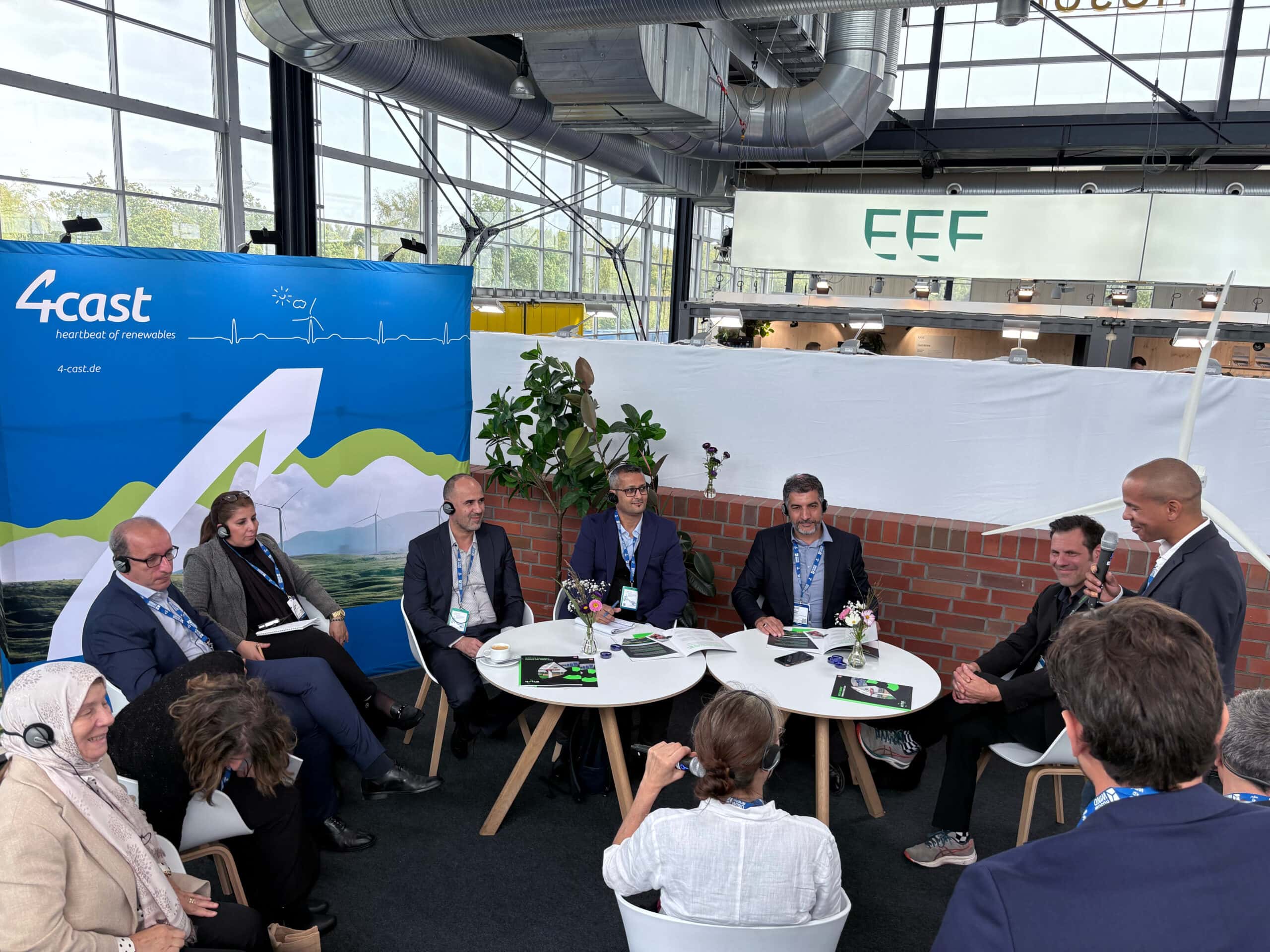
- Strengthening wind energy and industrial cooperation at HUSUM WIND 2025.
- A decade of strategic energy cooperation.
Energy security
Decarbonisation
Foreign Trade Promotion
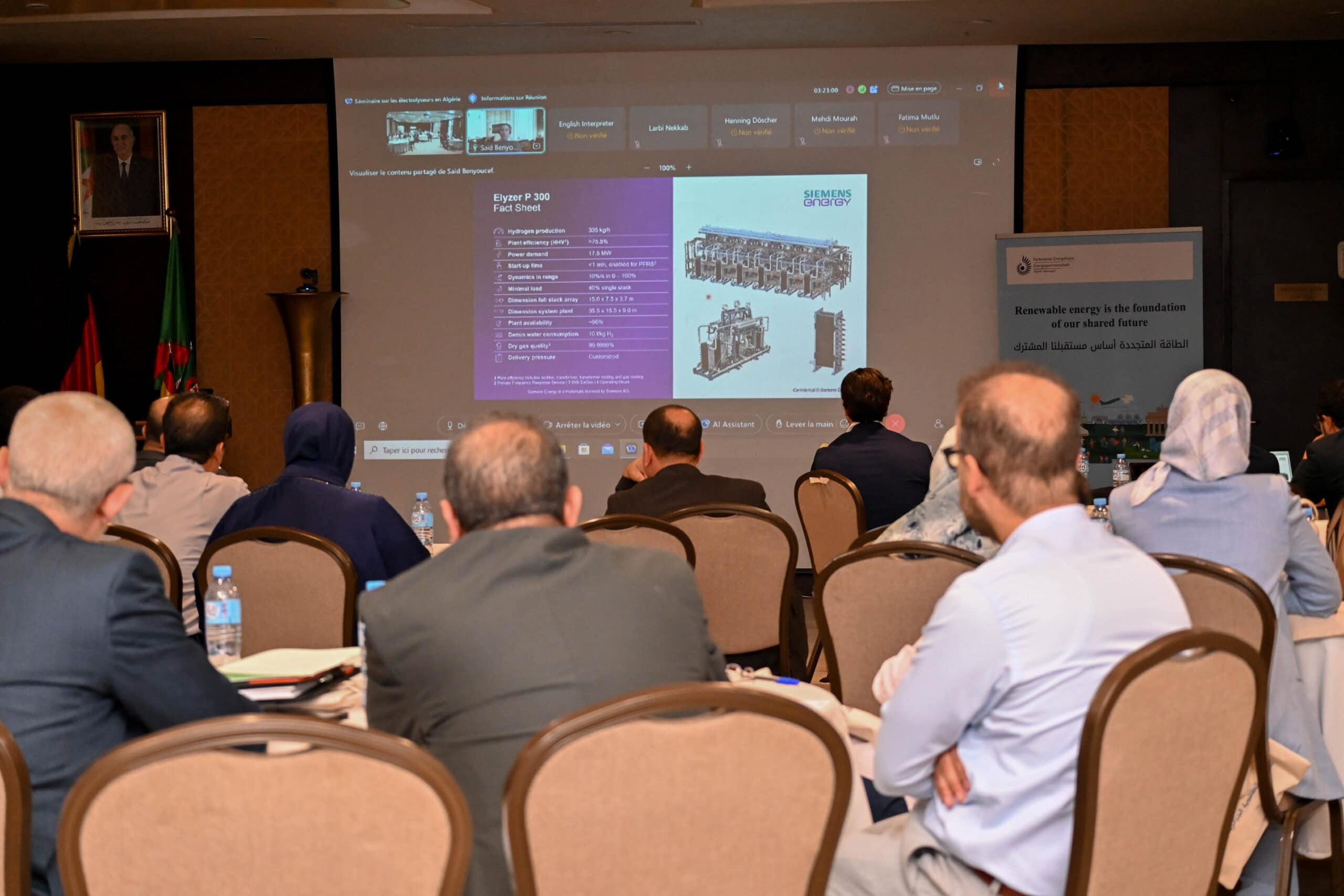
Electrolysis Technologies Driving Algeria’s Green Hydrogen Ambition
To support Algeria’s green hydrogen strategy, a seminar in Algiers brought together experts from Algeria and Germany to discuss proton-exchange membrane and anion-exchange membrane electrolysis technologies. Held on June 19, 2025, the event sought to deepen technical collaboration and outline investment opportunities for future hydrogen production and storage initiatives.
Strengthening Wind Energy Cooperation at HUSUM WIND 2025
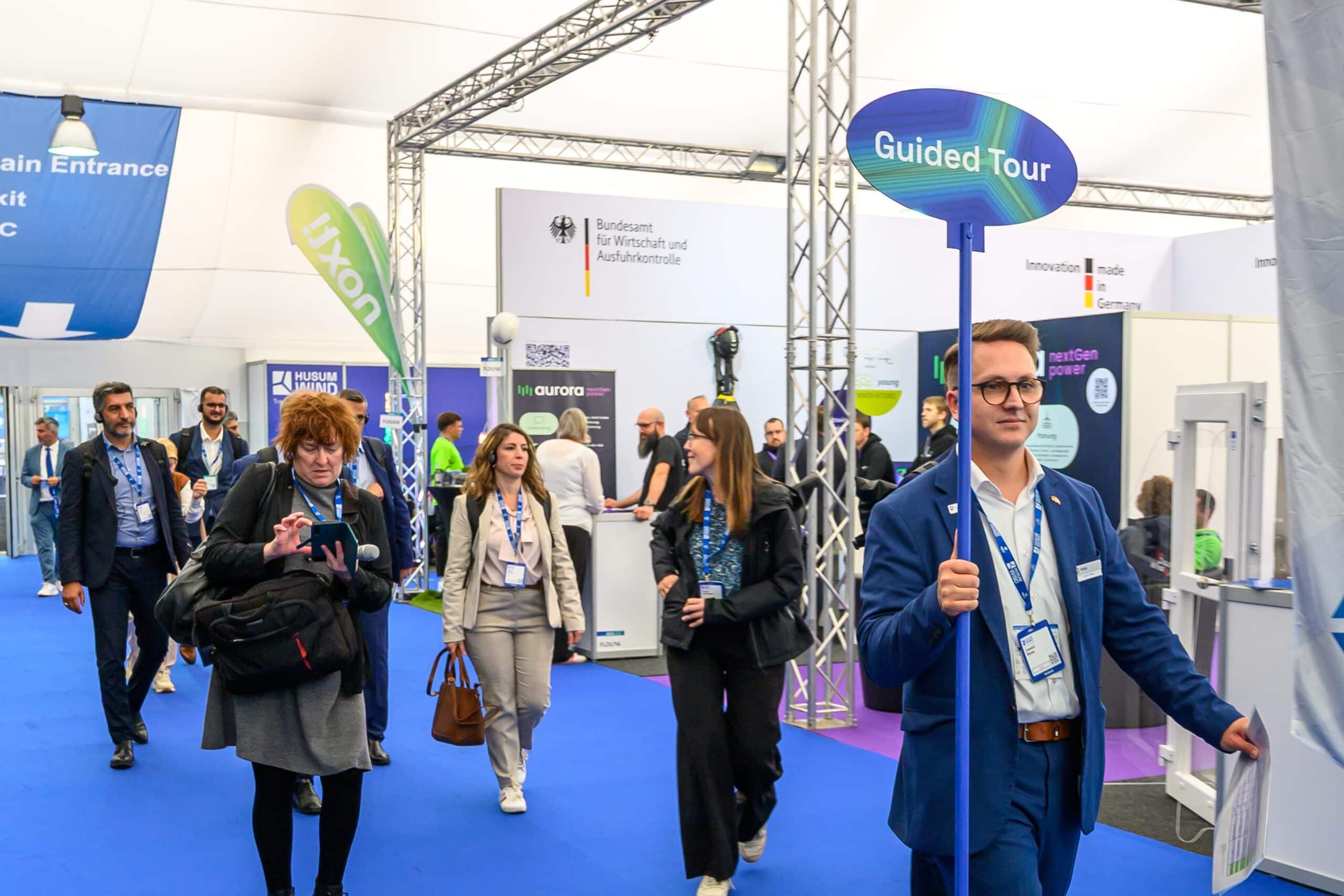
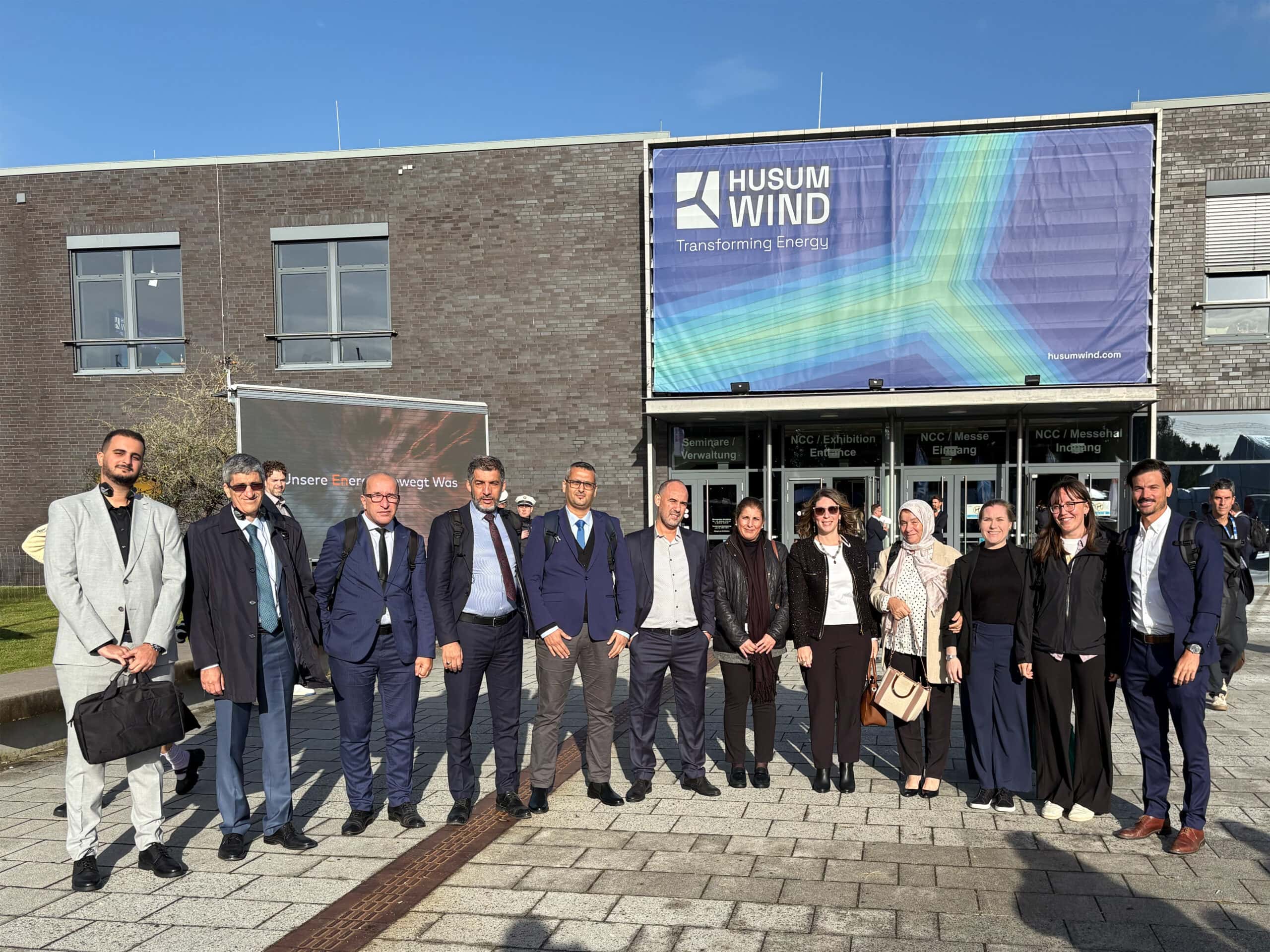
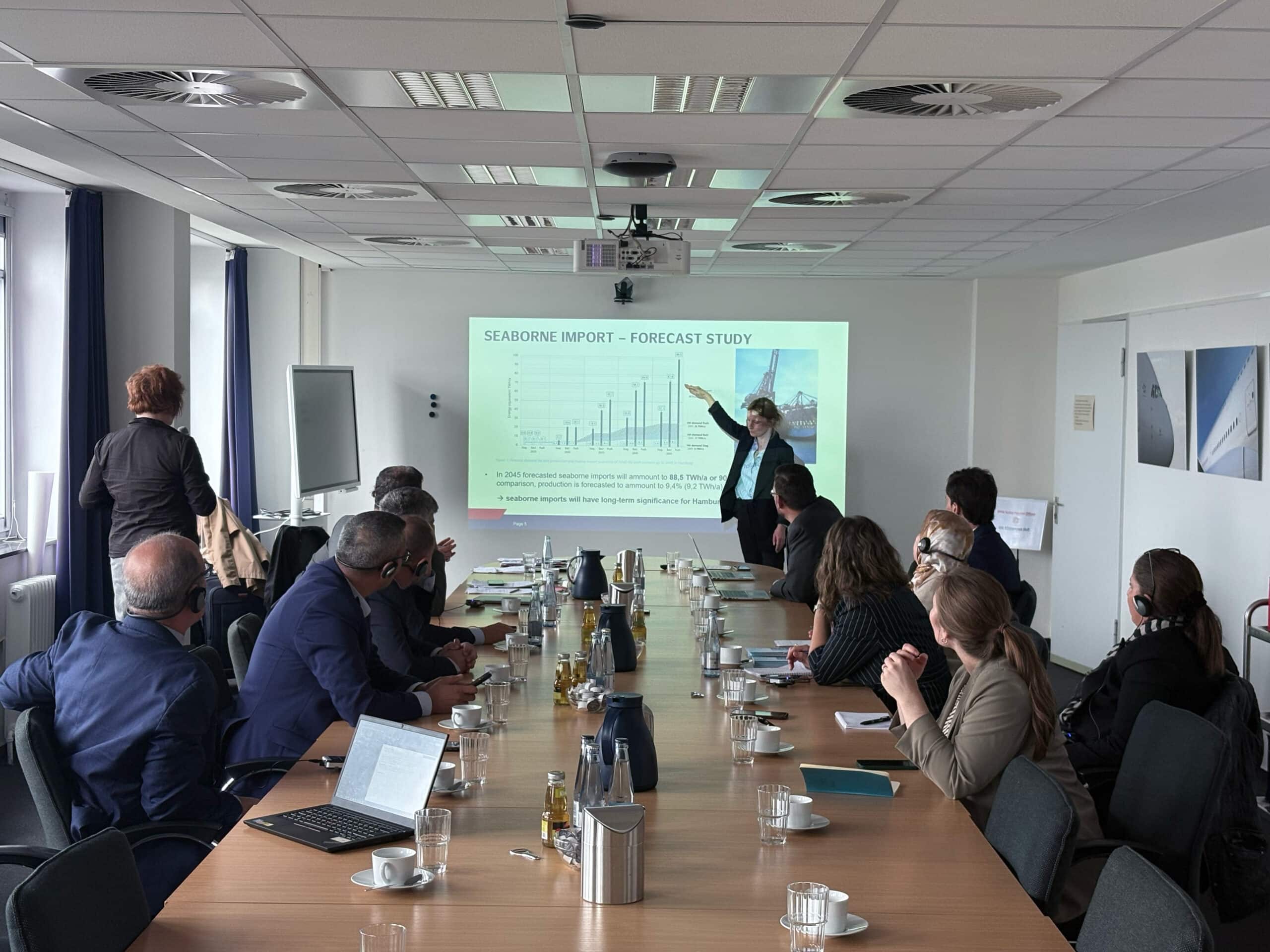
To foster innovation in wind energy and green hydrogen, the Algerian-German Energy Partnership organized a study tour for Algerian energy stakeholders. The tour, which took place from September 16 to 19, 2025, included visits to HUSUM WIND and Hamburg. Its goal was to explore innovations in wind energy and green hydrogen prospects in order to deepen economic cooperation with German companies experienced in this field.
Celebrating a decade of the Algerian–German Energy Partnership
To mark a decade of collaboration, the Algerian-German Energy Partnership celebrated its 10th anniversary in 2025. Over the past ten years, the partnership has driven progress in renewable energy, energy efficiency, and green hydrogen by focusing on capacity building and fostering business cooperation. This milestone highlights the foundation for even stronger collaboration and a faster energy transition, ensuring greater energy security for both Algeria and Germany.
Algeria has selected proton-exchange membrane electrolysis as its preferred technology for producing hydrogen. This method uses electricity to split water (Hâ‚‚O) into hydrogen (Hâ‚‚) and oxygen (Oâ‚‚), relying on a special solid polymer membrane that conducts protons while separating the gases, producing high-purity hydrogen.
Similarly, anion-exchange membrane electrolysis also uses electricity from renewable sources to break down water into hydrogen and oxygen. This approach employs a membrane designed to allow negatively charged ions to pass through.
10th anniversary of the Partnership
Take a look back at the highlights of the Energy Partnership. From the joint memorandum of understanding to the present day.
You are currently viewing a placeholder content from Vimeo. To access the actual content, click the button below. Please note that doing so will share data with third-party providers.
More InformationMore information
1. What has been the most tangible outcome or impact of your partnership activities in 2025?
- Husum Wind Study TripÂ
The study trip to the Husum Wind fair in Nothern Germany created valuable business connections to wind companies, specialised in innovative technologies made in Germany. During the roundtable, the Algerian delegation introduced Algeria’s Renewable Energy Strategy, highlighting the central role of wind energy in the country’s green hydrogen plans. The visit proved especially valuable for expanding expertise in wind technologies and forging new connections with German companies in the sector. - Seminar on Electrolysis technology and its role in Algeria’s Energy Transition
The event brought together public institutions, private sector representatives, and international experts to discuss the development of hydrogen production and strengthening technical cooperation between Algeria and Germany.
Algerian stakeholders gained deeper insight into the potential of anion-exchange membrane technology, reviewing real-world case studies, technical requirements, and how these systems align with Algeria’s existing energy infrastructure. The discussions also pinpointed concrete steps for implementing electrolysis and hydrogen storage projects in Algeria, leveraging German expertise and technology.
2. Which focus areas were particularly relevant for your country in 2025?
Wind energy and green hydrogen, further development of green ammonia export and the South H2 Corridor