Since 2019
Towards a Regional Energy Hub: Energy Security and System Resilience
- The Energy Partnership deepened collaboration on power system stability and operation with a high share of renewable energy, and strengthened Jordan’s vision to become a regional energy hub.
- It had a strong impact in advancing energy efficiency, contributing to regulatory reform, energy efficiency governance, National Energy Efficiency Action Plan (NEEAP) execution, and ESCO market development.
- The partnership initiated and kicked off the National Roadmap for the low-carbon, resilient, and energy-efficient Buildings and Construction Sector, ensuring coordinated action across sectors.
- It powered Jordan’s energy transition by engaging number of Jordanian sectoral stakeholders as well as relevant German technology providers.
Energy security
Decarbonisation
Foreign Trade Promotion

Energy Efficiency Governance, Low-Carbon Building Sector and Stakeholder Dialogue
As Jordan meets more than 80% of its energy needs through imports, the country is working to reduce its heavy reliance on foreign energy sources. This represents a key challenge, and the Jordanian-German Energy Partnership was helping to address it. The focus in 2025 was on two complementary areas of work:
Cooperation with the Directorate for Energy Efficiency, established in 2024 within the Ministry of Energy and Mineral Resources of Hashemite Kingdom of Jordan (MEMR), was further strengthened in 2025. The Energy Partnership developed a multi-level governance structure in the field of energy efficiency, a structured development plan, and a monitoring concept for future National Energy Efficiency Action Plans (NEEAPs). It also organised an exchange of experts on Energy Performance Contracts (EPCs) and Energy Service Company (ESCO) markets.
In addition, the Partnership focused on reducing energy demand in Jordan’s building and construction sector, which accounts for approximately 40% of Jordan’s final energy consumption, around 60% of electricity consumption, and nearly 30% of greenhouse gas emissions. With the launch of the National Roadmap for Low-Carbon, Efficient and Resilient Buildings, the Partnership brought together key stakeholders and developed recommendations to improve energy data management.
Strengthening system stability, cybersecurity and regional connectivity
The Energy Partnership strengthened the stability of Jordan’s energy system, cybersecurity and regional connectivity. Delegation from the Jordanian National Electric Power Company (NEPCO) received specialist training in Berlin on grid restoration, operational planning, cross-border interconnection and the integration of renewable energies. In addition, on-site training on cybersecurity in transmission system was conducted to improve resilience against growing digital risks.
Water security and green hydrogen
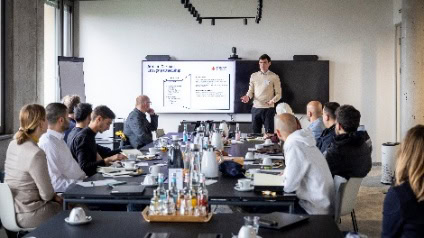
The Energy Partnership supported Jordan’s industrial development whilst also contributing to the safeguarding of water resources. To explore sustainable solutions, a high-level roundtable was organised, attended by German technology providers and researchers to discuss seawater desalination and its potential for low-carbon hydrogen production.
Innovation, start-ups, and inclusion
The Energy Partnership supported Jordan’s energy start-up ecosystem through participation in the SET Tech Festival and Digital Start-up Days. The Gender Equality Task Force also worked to increase the participation of women and young people. The Partnership aimed to build resilient, energy-efficient markets, strengthen cooperation and thus achieve sector-wide impact.
NEEAP – National Energy Efficiency Action Plan
EPC – Energy Performance Contracting
ESCO – Energy Service Company
TSO – Transmission System Operator
MEMR – Ministry of Energy and Mineral Resources of Hashemite Kingdom of Jordan
NEPCO – Jordan National Electric Power Company
The Energy Partnership: more than an opportunity for exchange
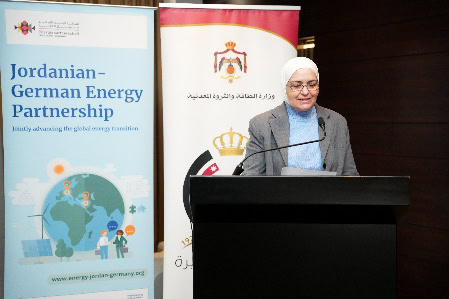
Eng. Amani Mohammed Hassan Al-Azzam, Secretary General of the Ministry of Energy and Mineral Resources of the Hashemite Kingdom of Jordan, explains why the energy partnership is important for Jordan’s stakeholders.
You are currently viewing a placeholder content from Vimeo. To access the actual content, click the button below. Please note that doing so will share data with third-party providers.
More InformationMore information
1. What has been the most tangible outcome or impact of your partnership activities in 2025?
High impact through continuation of the exchanges under established TSO (Transmission System Operator) Dialogue format in Germany, with training of NEPCO experts on grid restoration, operational planning, cross-border interconnection and the integration of renewable energies. Promoting new technologies, such as grid-forming inverters, and discussing operational approaches to integrate stabilising system features – critical for increasing renewable energy shares and guiding investments.
- Energy policy: Begin of Jordan’s National Roadmap for Building and Construction, engaging key ministries and stakeholders. The Roadmap will strengthen stakeholder coordination, help to reduce the sector’s high share of energy consumption, and serve as a key instrument for achieving Jordan’s energy targets and mobilise investments. The Roadmap will be officially launched at the end of 2026.
High institutional-level impact: deepening of the cooperation with a new energy efficiency organisational unit within the Ministry of Energy and Mineral Resources of Hashemite Kingdom of Jordan (MEMR) – established in 2024 with the Energy Partnership’s advisory support.
High regulatory-level impact: Series of high-level discussions and joint elaboration, presentation, and facilitation of the stakeholder dialogue on the future multi-level energy efficiency governance structure in Jordan, which will be legally anchored as part of the planned revision of the energy efficiency legislation and will ensure the successful implementation of energy efficiency policy.
Joint development of a structured plan for the preparation of future National Energy Efficiency Action Plans (NEEAPs) and a monitoring concept. This will support the creation of a market for energy-efficient solutions, aligned with the energy savings targets and measures set out in Jordan’s current National Energy Efficiency Action Plan (NEEAP).
Foreign trade support: Establishment of a second supporting format: a new roundtable format with German companies and Jordanian Ministries and sectoral stakeholder to exchange on topics of strategic importance for the energy sector. In 2025, the focus was on seawater desalination and green hydrogen production, with participation from leading German technology providers.
2. Which focus areas were particularly relevant for your country in 2025 and why?
The Energy Partnership worked across Jordan’s energy transformation. Key focus areas included enhancing energy security, reducing the national economy’s energy consumption, driving energy efficiency, and promoting regional interconnectivity.
- Jordan plans to raise its renewable energy target to 50% by 2033 under the optimistic scenario of its new Energy Strategy. With renewables reaching 27% in 2026 and energy demand increasing, strengthening the grid and ensuring system stability are becoming critical. This is essential for Jordan’s ambition to become a regional energy hub, given its strategic geographic and infrastructure position, including its key role in the IMEC Corridor. The Energy Partnership-TSO Dialogue supported this vision by enhancing system stability and regional interconnectivity, while drawing on German expertise to expand a resilient power system with a growing share of renewables. In the new roundtable format with German industry, questions on the development of Jordan’s hydrogen economy were addressed intensively.
- Rising digitalisation in the energy sector increased cyber risks, so the Energy Partnership facilitated exchanges on standards and regulations to enhance national cybersecurity, protect critical infrastructure, and enable German technology deployment.
- Jordan’s potential for green hydrogen (gH2) was further supported through dialogue on seawater desalination and production, accelerating its regional energy ambitions.
- Energy efficiency was vital for energy security – Jordan imports over 80% of its energy, with the residential sector consuming 40% of total energy and 60% of electricity. The Energy Partnership supported capacity building, legislative advice, and implementation guidance, including EPC tools, ESCO certification, NEEAP monitoring, and sectoral roadmaps, reducing energy imports, creating markets, and advancing decarbonisation.
- Together, technological cooperation, regulatory strengthening, and market development advanced Jordan’s modernisation and contributed to the country’s future sustainable energy.
3. What were the main challenges in implementing activities in 2025, and how were they addressed?
No major challenges were encountered.
4. How did your activities contribute to the selected overarching goals (energy security, decarbonisation, foreign trade promotion)?
The activity directly strengthened energy security by enabling experts from the National Electric Power Company to engage in hands-on exchanges with 50Hertz Transmission GmbH, the German Energy Agency, and Elia Grid International. Through practical training at GridLab, participants strengthened their skills in fault isolation and frequency control, supporting renewable integration, grid stability, decarbonisation, and bilateral energy cooperation.
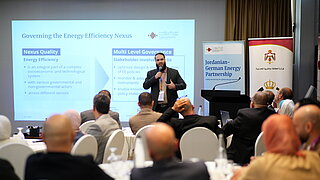
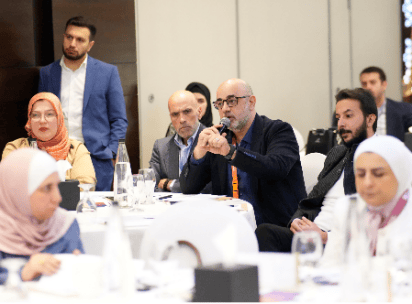
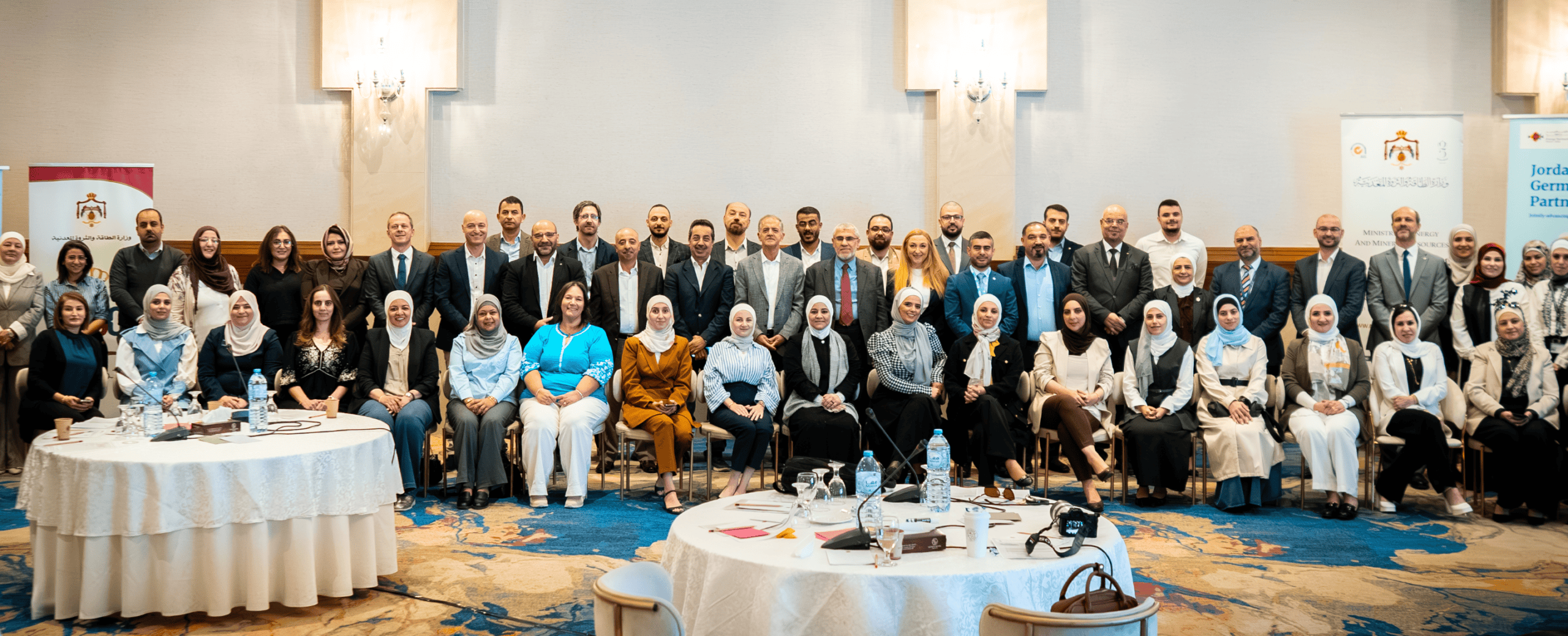
The Energy Partnership developed a National Energy Efficiency Governance Structure to guide the design, implementation, and strategic direction of Jordan’s energy efficiency policies. The workshop on energy efficiency policy and governance enabled stakeholder engagement, with over 60 participants exploring current challenges, monitoring, and sectoral coordination. Clear roles, a well-defined governance framework, and upcoming legal updates will strengthen policy execution, efficiency measures, and accelerate nationwide energy savings.
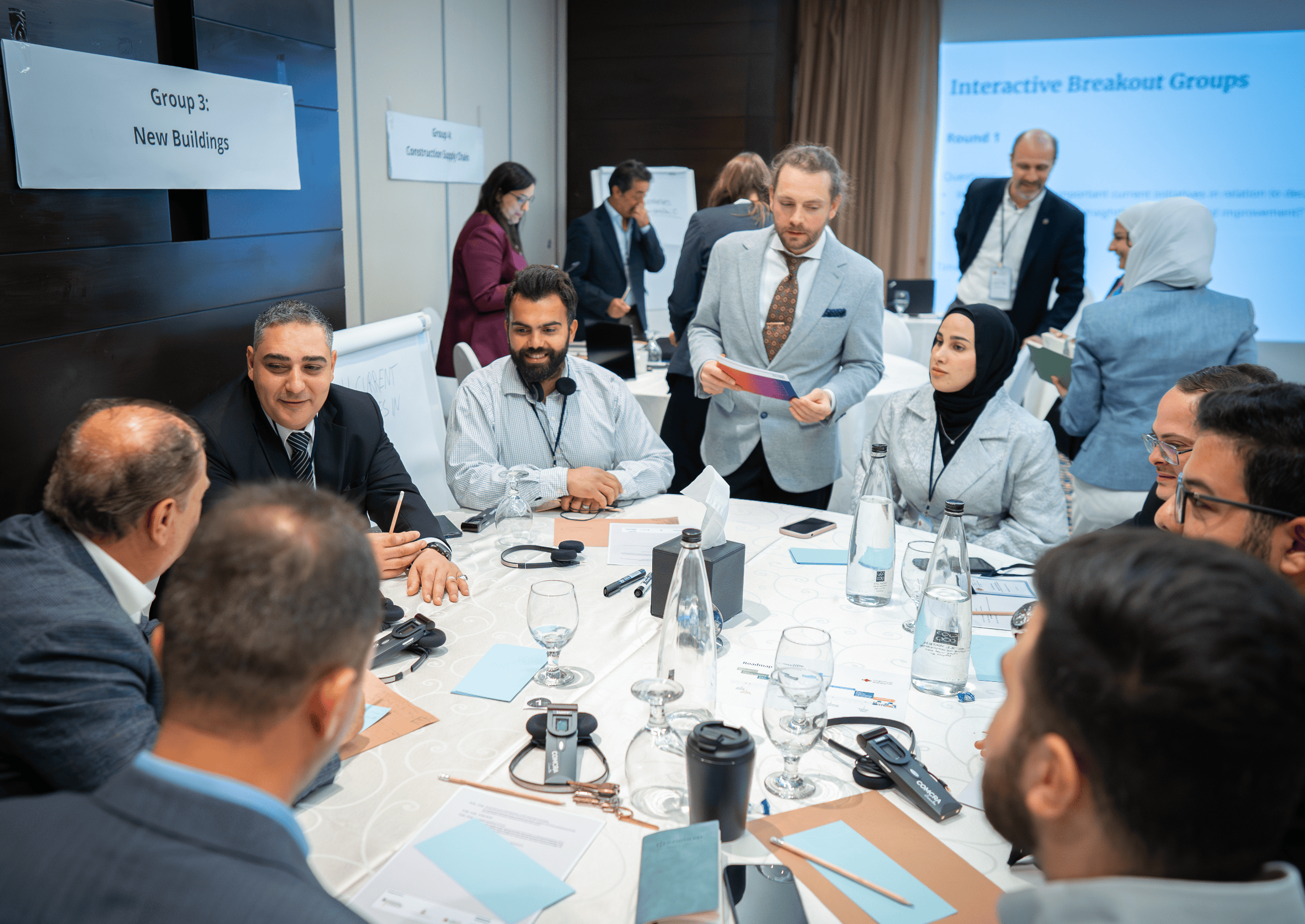
Reducing Jordan’s high energy consumption is critical, as the residential sector accounts for around 60% of electricity use and 40% of total energy demand. To reduce energy consumption and advance energy security, the Energy Partnership launched the development of a National Roadmap for a Low-Carbon, Energy-Efficient, and Resilient Building and Construction Sector with broad stakeholder participation. The next milestone focused on challenges and opportunities, identifying concrete cross-sector measures to cut energy demand, improve efficiency, support decarbonisation, and strengthen energy security.
Enhancing cybersecurity: Knowledge exchange on standards and regulation strengthened Jordan’s national cybersecurity resilience by protecting critical infrastructure. It also contributed to the deployment of German technologies in power transmission and distribution.
5. What concrete activities are planned for 2026?
Continuation of the TSO-Dialogue format with participation of the German technology providers on various aspects of system stability, including electricity grid codes and cross-border interconnections
Roundtable on Resilience of Energy Supply: Protection of critical infrastructures with German technology provider and relevant authorities
Development and launch of the National Roadmap for Building and Construction in Jordan
Promotion for the Energy Performance Contracting (EPC) model
Continued expert exchange for the further development of the ESCO framework (several activities)
Development of the detailed concept for the national energy efficiency monitoring platform in Jordan