Since 2007

Germany and China: Shaping Policies for a Resilient Energy Future

  • Germany and China have entered a new phase of energy transition in which managing systemic complexity, integration and flexibility is as important as expanding renewables.
  • The Sino-German Energy Partnership strengthened energy security through dialogue on market design, grid flexibility, renewable integration and emerging fields such as energy meteorology.
  • Targeted demonstration projects in hard-to-abate sectors, such as cement, showed how limited public funding can mobilise significant private investment and inform national policy frameworks.
  • Cooperation on heat pumps improved regulatory clarity and standards, creating more predictable market conditions for high-quality German technologies.
  • Rules-based cooperation at eye level enhanced economic resilience, industrial competitiveness and climate ambition in both countries.
Energy security
Decarbonisation
Foreign Trade Promotion

In 2025, Germany and China advanced their energy transitions while navigating increasing complexity. Germany, with 56% of its power now from renewables, was modernising its grids, markets, and flexibility mechanisms with a focus on competitiveness and affordability. China continued to rapidly expand its wind and solar capacity, although coal still accounted for over 60% of its power generation. The urgent challenge for China was to build a reliable, clean and future-proof power system to meet rising demand. Despite being at different stages, both countries were working towards integrated, flexible energy systems that ensure supply security and support economic growth.

Secure supply through renewable integration and flexibility

The Energy Partnership (EP) supported this transformation through structured policy dialogue and technical exchange, focusing on regulatory design, electricity markets, grid flexibility, and decentralised renewables. In 2025, discussions expanded to include energy meteorology and green data centres, tackling challenges such as weather-dependent energy supply and rapidly growing computing demand. By combining German and European expertise in regulation, market frameworks, and business models with China’s scale and speed in system integration, the EP helped build resilient energy systems at times of high renewable shares and rising demand in both countries.

Decarbonising industry: from pilot to policy

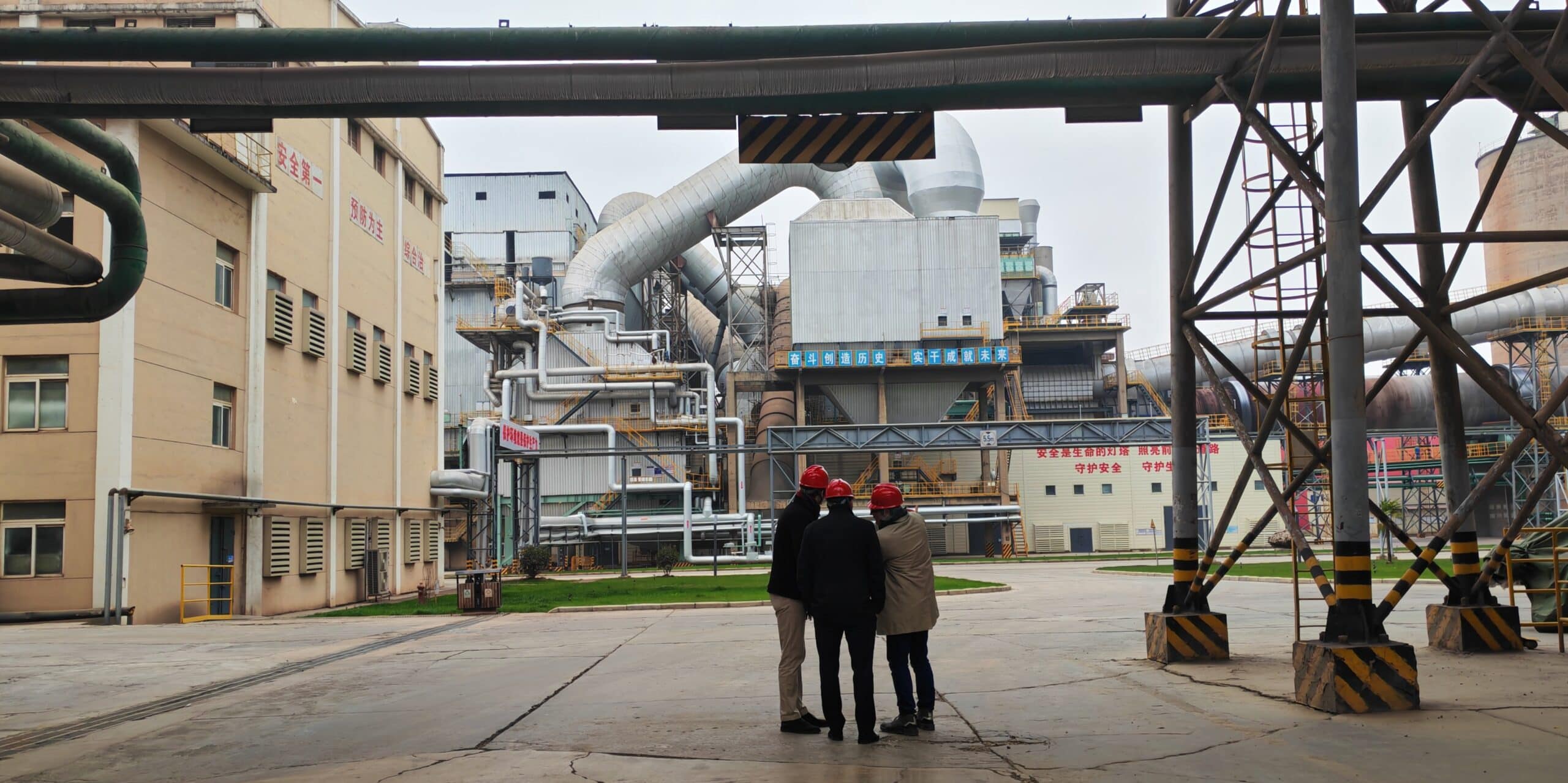
In the cement sector, pilot initiatives that focused on energy efficiency and alternative fuel substitution reduced emissions by over 360,000 tonnes of CO₂ annually and mobilised around 15 million euros in private investment. These results informed China’s 15th Five-Year Plan on Energy Efficiency (2026–2030), demonstrating how targeted public support can unlock private capital, accelerate decarbonisation in hard-to-abate sectors, and expand the market for German low-carbon solutions.

Advancing clean heating by improving market conditions

Long-term collaboration on low-carbon heating showcased how the EP bridges policy dialogue and industry expertise to drive clean heating adoption. China’s 2025 National Action Plan for Heat Pumps, combined with ongoing discussions to recognise environmental heat as renewable in legislation, reflected significant input from German stakeholders. This helped build a predictable market framework for high-quality German clean heating solutions.

Why is system integration more complex and important today?

Higher renewable shares increase weather dependency. Grids, markets, storage and digital tools must interact in real time to balance supply and demand while keeping costs and risks under control.

Energy efficiency drives green transformation and allows more people to benefit from access to affordable energy and energy security. Over the years, Sino-German cooperation in energy efficiency has continuously advanced green transition across different sectors. I wish the Chinese National Energy Conservation Week every success and look forward to carrying forward our energy partnership – renewing momentum for global green development.
Dr. Christian Forwick
Director General, Foreign Economic Policy Department - Federal Ministry for Economic Affairs & Energy (BMWE) - Sent greeting regards at 2025 National Energy Conservation Week in China
The Sino-German Energy Partnership provided us with a platform to participate in a flagship project promoting sustainable building practices in China. German small and medium-sized enterprises offering green transition solutions often face challenges in receiving equal treatment in public tenders. Through this initiative, we have the opportunity to showcase German sustainability solutions and support China's efforts towards climate neutrality.
Brötje GmbH

More information

1. What has been the most tangible outcome or impact of your partnership activities in 2025?
  • Demonstration measures in cement sector with impact on decarbonisation, investment, policy, market (see main text)
  • Heat pump: with impact on National Action Plan, and influence on legislation revision (ongoing)
  • Hydrogen: Strengthens German government’s China expertise on emerging industry development through report on hydrogen in China 2025

Power market reform as China released the new policy transforming market-driven renewable development

Hydrogen development in China
China is one of the most dynamic markets for green hydrogen. The EP is closely tracking developments in China and regularly delivers updates and analysis towards German policy makers and companies.

Demonstration measures on energy efficiency and decarbonisation in industry park
China is rapidly elevating the green and low-carbon transformation of industrial parks – responsible for most national energy use – into a central pillar of its dual carbon strategy, with comprehensive national guidelines, pilot programmes and large-scale investment support accelerating the systematic rollout of zero-carbon parks across the country.

Our year in pictures

Contact

Yuxia Yin
Head of Secretariat of the Sino-German Energy Partnership
In close collaboration with
The National Development and Reform Commission (NDRC) and The National Energy Administration (NEA) 

Further partnerships in Asia