Since 2018

Opening of the Training Centre: Growing Expertise through Knowledge Transfer

  • The training centre as green skills hub: Building technical capacities and promoting German technologies in Uzbekistan.
  • Practice-oriented capacity building: Train-the-Trainer programmes as a multiplier approach.
  • Trainer qualification: Energy-efficient buildings, solar thermal, photovoltaics, heat pumps, greenhouse heating.
  • Knowledge transfer to the market: Training for around 60 professionals (engineers, building managers, installers, architects, planners).
  • Sustainable impact and foreign trade promotion: Independent course delivery and scale-up, improved market entry opportunities for German companies, and strengthened bilateral cooperation.
Decarbonisation
Foreign Trade Promotion

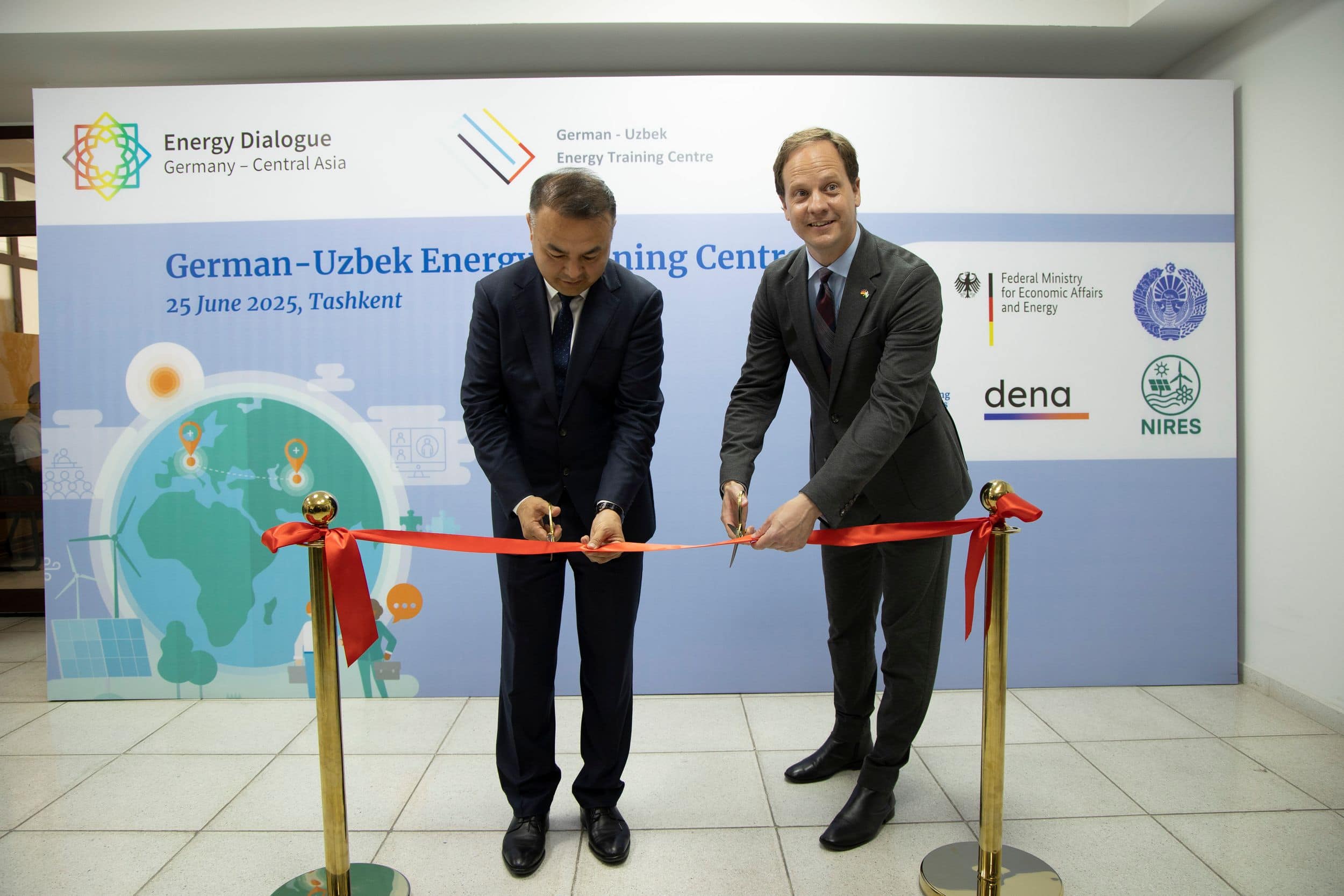
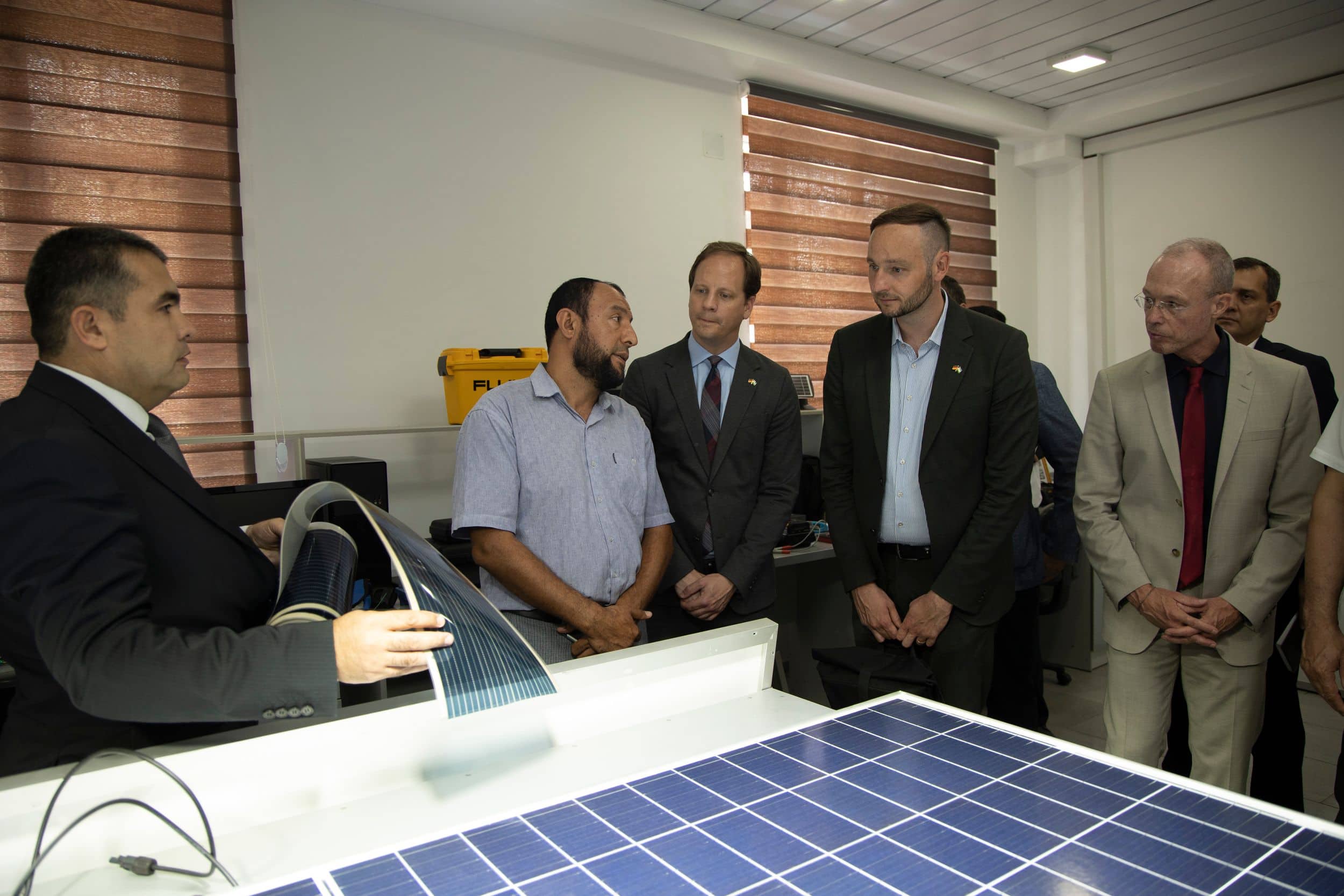
In June 2025, the German-Uzbek Training Centre for Energy Efficiency and Renewable Energy – operated by the National Scientific Research Institute of Renewable Energy Sources (NIRES) – opened in Tashkent. The Centre acts as a key hub for green skills development, supporting Uzbekistan’s energy transition by building technical capacities and promoting and facilitating adoption of German technologies, particularly in energy efficiency, renewable energy systems, and grid integration.

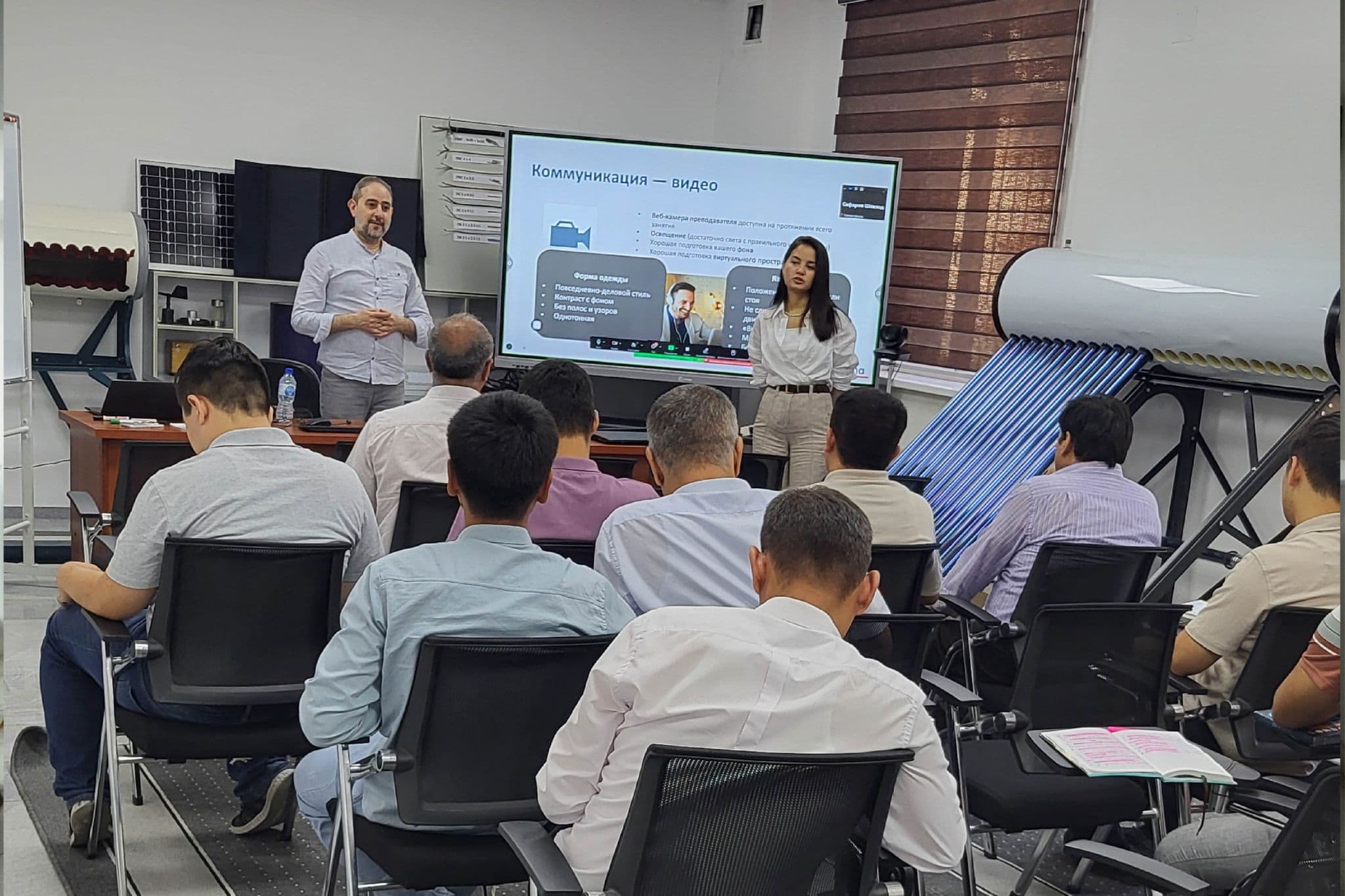
The core objective was to translate German expertise into practical, locally relevant training formats that create long-term market linkages. German experts collaborated closely with Uzbek partners to develop application-oriented curricula and implement a comprehensive train-the-trainer programme. National instructors were successfully qualified in energy-efficient buildings, solar thermal systems, photovoltaic installation, heat pumps and greenhouse heating.

These trainers subsequently shared their knowledge with approximately 60 professionals, including engineers, public building managers, installers, architects, and planners. German companies contributed through guest lectures and technical input, directly linking training content to market-ready solutions, while also ensuring that the Training Centre addressed the needs of German companies.

Now, the Centre is gradually moving towards independent delivery and upscaling of the trainings. By embedding German standards and technologies into local qualification structures, the project supports sustainable skills development, strengthens business linkages, and creates a durable platform for bilateral economic cooperation.

President Shavkat Mirziyoyev declared 2025 the “Year of Environmental Protection and Green Economy”, according to a statement issued by the presidential press service. Building on this commitment, Uzbekistan aims to generate 54% of its electricity from renewable sources by 2030 to meet growing demand, projected to reach 121 billion kilowatt-hours by 2035. 

This renewable energy push includes micro-hydropower plants as well as solar and wind installations, expected to support job creation during both construction and operation, creating economic opportunities in the energy sector. The country is also attracting significant foreign investment in clean energy projects, reinforcing its transition towards a greener economy while supporting local industrial participation.

Read the article

The German-Uzbek Training Centre will serve as a regional hub for the development of green skills, the promotion of renewable energies and energy efficiency, and support for the energy transition in Uzbekistan.

Akbar Muhamedjanov
Head of the German-Uzbek Training Centre, based at the National Scientific Research Institute of Renewable Energy Sources

More information

1. What has been the most tangible outcome or impact of your partnership activities in 2025?

The most tangible outcome of the partnership’s activities in 2025 was the successful operational launch of the German-Uzbek Training Centre for Renewable Energy and Energy Efficiency at the National Scientific Research Institute of Renewable Energy Sources (NIRES) in Tashkent.

Beyond the official opening in June 2025, the Centre became fully operational: five train-the-trainer modules were implemented with German experts, qualifying a first group of Uzbek trainers in key technologies such as energy-efficient buildings, solar thermal systems, photovoltaic installations, heat pumps and energy-efficient greenhouse heating.

These newly qualified trainers subsequently delivered six training courses independently, reaching around 60 professionals from across Uzbekistan, including engineers, public building managers, installers, architects and planners. This marked the first successful transfer of training ownership to local partners and laid the foundation for sustainable, locally anchored capacity building in the energy sector.

Green skills: capacity building in the fields of energy efficiency and renewable energy

As part of its Green Economy Transition Programme, Uzbekistan set ambitious targets for the coming years. By 2030, the country aims to reduce its energy intensity by 30% (compared to 2021 levels) and increase the share of renewable energy sources in its electricity mix to 54%. Achieving these targets is expected to require the creation of more than 100,000 new green jobs. In response to this need, the Energy Dialogue launched the German-Uzbek Energy Training Centre project, which aims to promote knowledge transfer and capacity building in the fields of energy efficiency and renewable energy throughout Uzbekistan.

The main challenge was the organisational complexity of establishing the German-Uzbek Training Centre.

These challenges were addressed through close coordination with the Uzbek partner organisation NIRES, engagement of German experts, and strategic political support.

The development of green skills is a key driver of effective decarbonisation and foreign trade promotion. It enhances technological implementation capacity, mitigates environmental, social and governance (ESG)-related risks, and strengthens companies’ competitiveness in international markets – particularly to the benefit of German businesses. The German-Uzbek Training Centre actively advanced this objective through practice-oriented training programmes.

To ensure strong practical relevance, guest lectures by German companies were incorporated into the courses. In addition, consultations with private-sector stakeholders supported the targeted selection and engagement of qualified participants.

Through these measures, the Training Centre directly contributed to establishing favourable framework conditions for investments and pilot projects in Uzbekistan, especially those involving German companies.

In 2026, the Uzbek-German Energy Dialogue will focus on consolidating and economically stabilising the operational structures of the German-Uzbek Training Centre, while enabling the partner organisation NIRES to increasingly manage the Centre independently.

The programme foresees the implementation of six scale-up courses with German experts to further qualify Uzbek trainers, as well as the regular delivery of six courses by Uzbek trainers to ensure sustainable local capacity building.

Our year in pictures

Contact

Elena Metzger
Project Director
Central Asia, Türkiye, South Caucasus, International Cooperation
In close collaboration with the
Ministry of Energy of the Republic of Uzbekistan

Further partnerships in Asia