Since 2022
Efficiency First: Germany and Vietnam's Energy Partnership in Action
In 2025, the Vietnamese–German Energy Partnership was strengthened across multiple sectors. Activities ranged from energy efficiency, green hydrogen and cement decarbonisation to rooftop solar, small and medium enterprise (SME) support and public outreach. Together, these initiatives connect German expertise with Vietnam’s energy transition and support sustainable and low-carbon growth.
Decarbonisation
Foreign Trade Promotion
A formal partnership for a resilient and affordable energy future
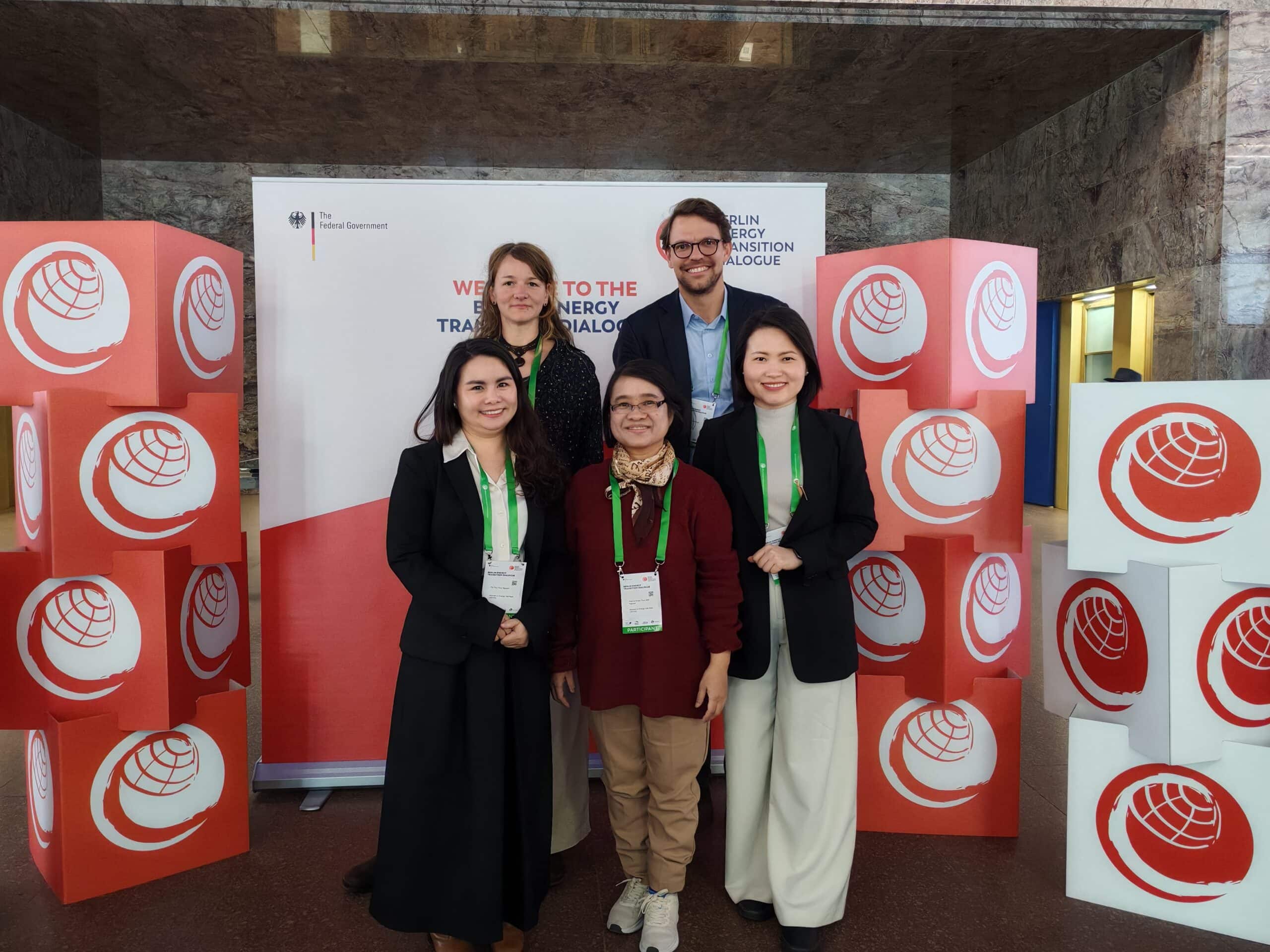
In 2025, Germany and Vietnam elevated their existing Energy Dialogue to a formal Energy Partnership – a milestone that reflects both countries’ shared commitment to driving private sector investment toward a sustainable, affordable, and resilient energy system. The activities in 2025 ranged from publishing guidance on rooftop solar investments, strengthening women’s leadership in green hydrogen to launching a new podcast series on private sector involvement in the decarbonisation of the energy system.
The case for energy efficiency in Vietnam
Vietnam’s rapid economic growth is outpacing its energy supply, making energy efficiency not just an environmental priority, but an economic necessity. The Energy Partnership addresses this challenge head-on: by supporting Vietnamese industry in reducing energy consumption, it simultaneously strengthens industrial resilience, drives demand for German technologies, and advances Vietnam’s national climate goals.
Cutting consumption: Energy Efficiency Clubs in action
Through the establishment of Energy Efficiency Clubs, the Energy Partnership brought together German and Vietnamese companies in structured peer-learning networks, enabling industry actors to exchange best practices and benchmark their energy performance. This collaborative model has not only raised awareness of efficiency measures, but also generated concrete demand for German technologies, creating new business opportunities and strengthening bilateral investment ties.
Decarbonising cement: Climate imperative meets competitive opportunity
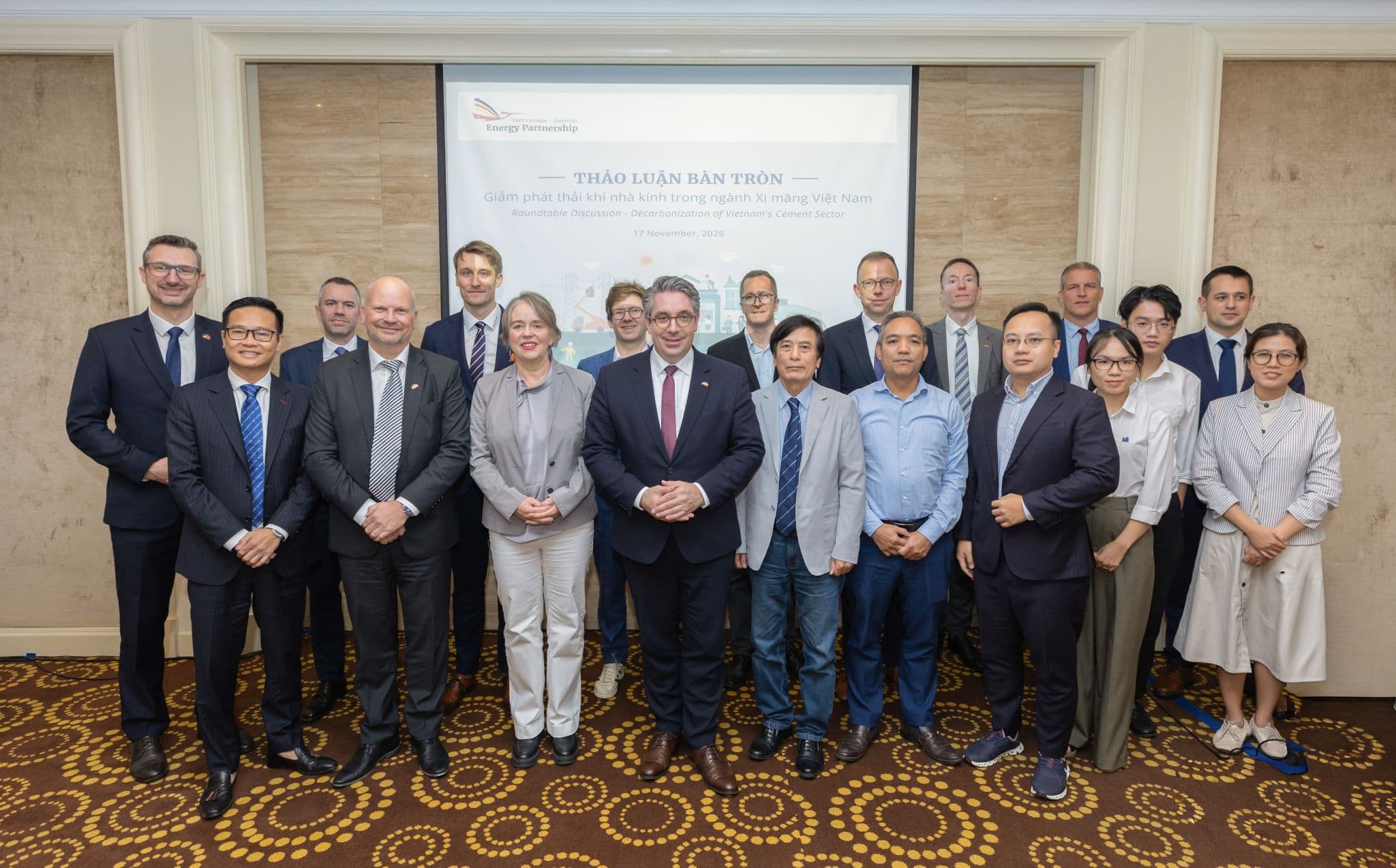
The cement sector offers a compelling case in point: responsible for up to 15% of Vietnam’s greenhouse gas emissions, it is both a major challenge and a major opportunity. Throughout 2025, the Energy Partnership engaged the sector through a series of events – including business roundtables, technical workshops, and exchanges. The ‘Mission Zero for Vietnam’s Cement Industry’ workshop stood out, bringing together more than 110 stakeholders to explore decarbonisation pathways, covering energy efficiency, alternative materials, AI-based process optimisation, and Vietnamese–German business cooperation.
The labour market in the energy sector
Vietnam is currently facing a major challenge: there is a shortage of highly skilled workers to keep pace with the growth of the energy sector. Find out more in the podcast ‘Transition Dialogue: Opportunities and Challenges’ from our colleagues at the Vietnamese-German Energy Partnership.
You are currently viewing a placeholder content from YouTube. To access the actual content, click the button below. Please note that doing so will share data with third-party providers.
More InformationMore information
1. What has been the most tangible outcome or impact of your partnership activities in 2025?
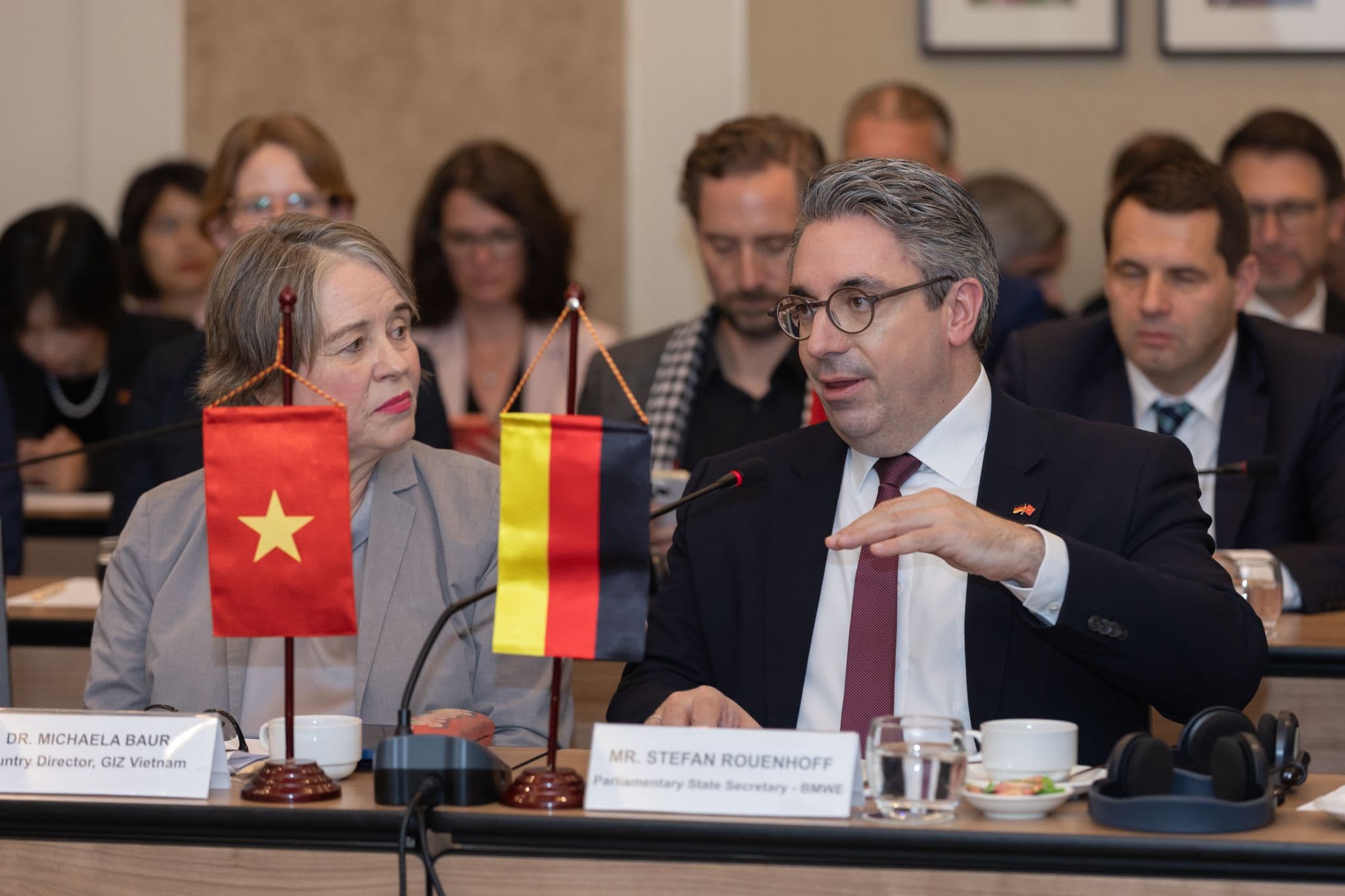
The Vietnamese–German Energy Dialogue was elevated to a bilateral Energy Partnership through a joint declaration in Berlin in July 2025 that established a structured framework for intensified cooperation on renewables, green hydrogen, grid modernisation, energy efficiency and industrial decarbonisation, linking German technological expertise and finance with Vietnam’s energy transition to advance sustainable growth, climate protection and energy security.
2. Which focus areas were particularly relevant for your country in 2025 and why?
Decarbonisation was a central priority for Vietnam in 2025, and the Energy Partnership directly supported this agenda through targeted, sector-specific interventions while creating concrete opportunities for the German private sector. The upgraded partnership created a high-level framework to advance renewable energy, green hydrogen and grid modernisation, and positioned German technologies and solutions as key enablers of this shift. Concrete activities operationalised these goals: Energy Efficiency Clubs and SME-focused trainings improved greenhouse gas accounting and energy management in industry; the “Mission Zero for Vietnam Cement Industry” workshop and roundtable showcased German decarbonisation technologies in one of the most carbon-intensive sectors; rooftop and balcony solar initiatives, including an rooftop solar (RTS) investment guideline and start-up incubation, accelerated distributed clean power and opened a growing market for German providers; and dedicated trainings on Green Hydrogen and Power-to-X, combined with the empowerment of women leaders and the “Transition Dialogue” podcast, built the skills, awareness and international connections needed to implement a just, low-carbon transformation of Vietnam’s energy system with strong German private-sector engagement.
3. What were the main challenges in implementing activities in 2025, and how were they addressed?
The geopolitical competition required the targeted positioning of the Energy Partnership support in order to maintain the competitiveness of the European economy.
4. How did your activities contribute to the selected overarching goals (energy security, decarbonisation, foreign trade promotion)?
The Energy Partnership’s activities collectively strengthened Vietnam’s energy security, advanced decarbonisation and promoted Vietnamese–German foreign trade in the energy sector.
The upgrade of the Energy Dialogue to an institutionalised Energy Partnership, together with concrete work on grid modernisation, renewable integration and rooftop solar guidelines, improved the reliability and diversification of Vietnam’s power supply while reducing dependency on fossil fuels.
At the same time, targeted measures such as Energy Efficiency Clubs, SME-focused EEC activities, the green hydrogen and balcony solar programmes under “Women in Energy Vietnam” (WEVN), and the “Mission Zero for Vietnam Cement Industry” initiative directly supported emissions reductions in key consuming and emitting sectors, contributing to Vietnam’s net-zero and Just Energy Transition Partnership (JETP) objectives.
Throughout these efforts, German technology and know-how were systematically positioned and showcased—via sector workshops, networking events, tools like the Regulatory Technical Standards (RTS) investment guideline and the software selection tool, study tours and the “Transition Dialogue” podcast—thereby creating concrete business opportunities, lowering investment barriers and deepening long-term trade and investment relations between German providers and Vietnam’s transforming energy market.
WEVN interview
You are currently viewing a placeholder content from Vimeo. To access the actual content, click the button below. Please note that doing so will share data with third-party providers.
More Information