Since 2022
Intensifying and Extending Cooperation
- In 2025, the Energy Partnership strengthened its focus on securing physical critical energy infrastructure, as well as grid integration, cybersecurity and security of supply.
- The 2026 Working Programme was signed at ministerial level by both countries’ Ministers, signalling a further deepening of bilateral cooperation.
Energy security
Decarbonisation
Foreign Trade Promotion
Protecting critical energy infrastructure: physical and digital resilience
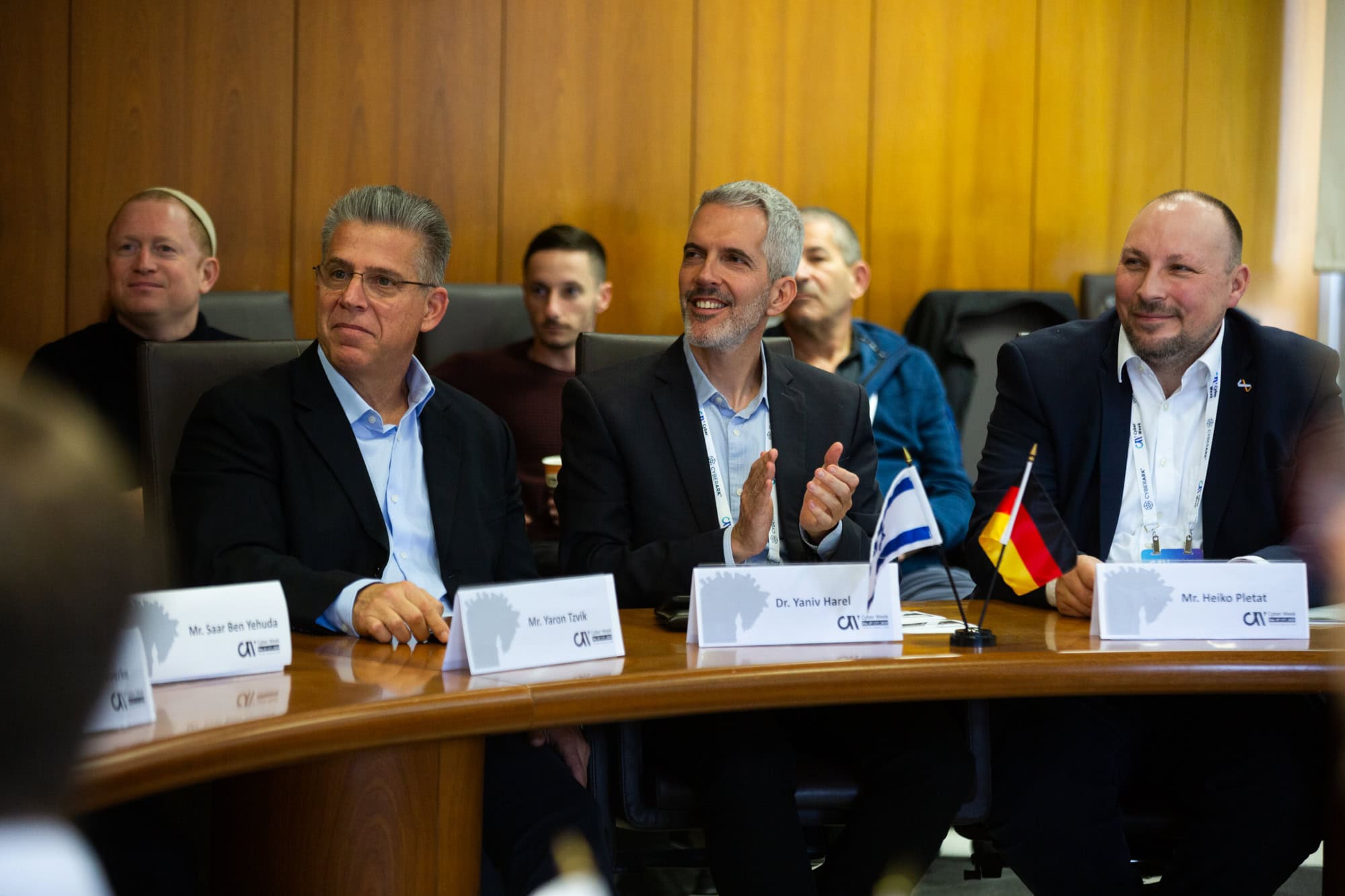
The Energy Partnership intensified its efforts to protect critical infrastructure, with a strong focus on both cybersecurity and physical resilience. A comprehensive study comparing Germany’s and Israel’s energy sectors identified key lessons for strengthening digital security in the energy sector. At Cyberweek Tel Aviv, leading cybersecurity experts from both countries collaborated to address the growing challenge of protecting photovoltaic installations. In 2026, a new workstream will support Germany in translating the EU-Directive on Critical Infrastructure Protection into robust national policy.
Smart and innovative for a strong partnership
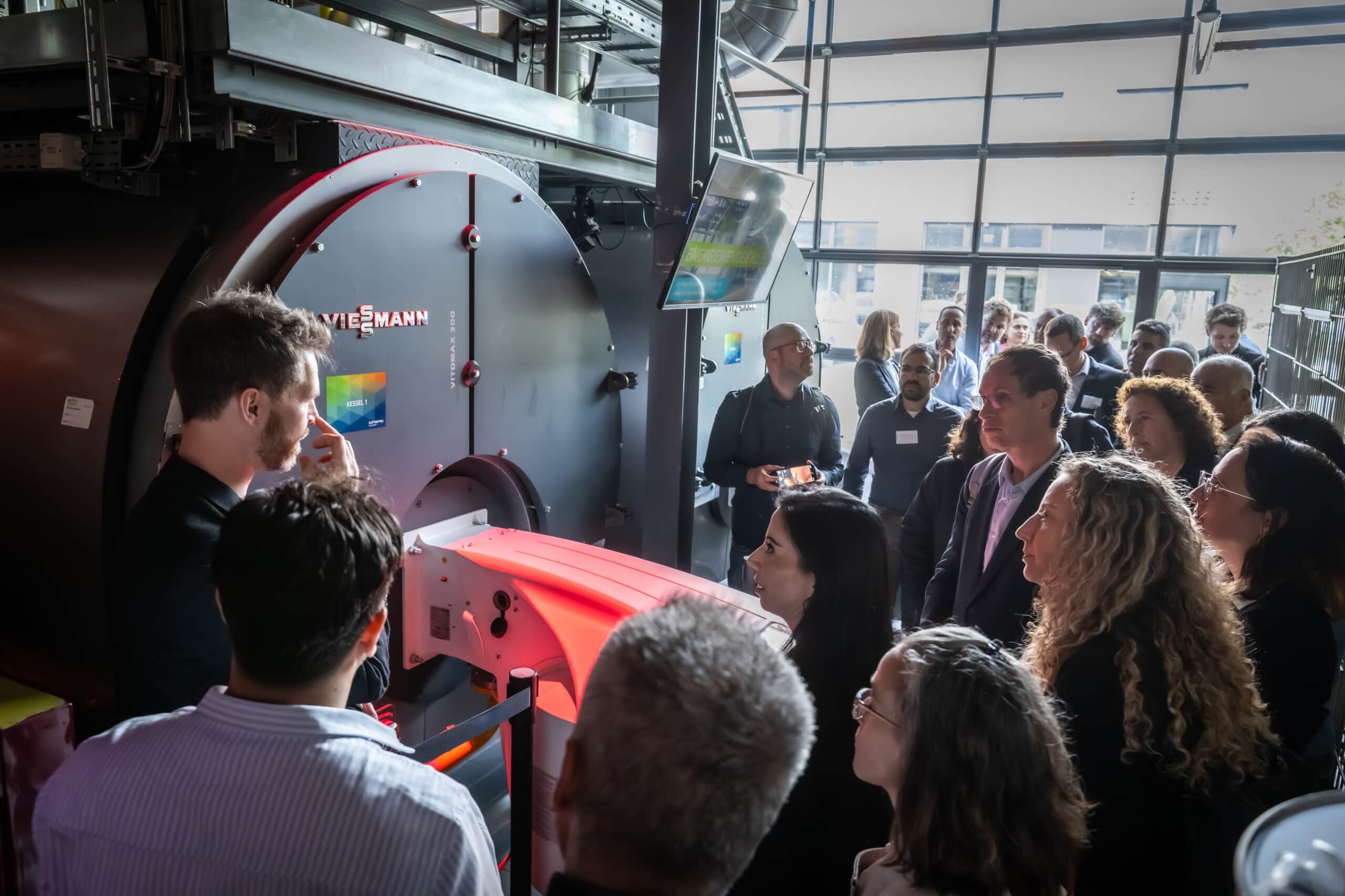
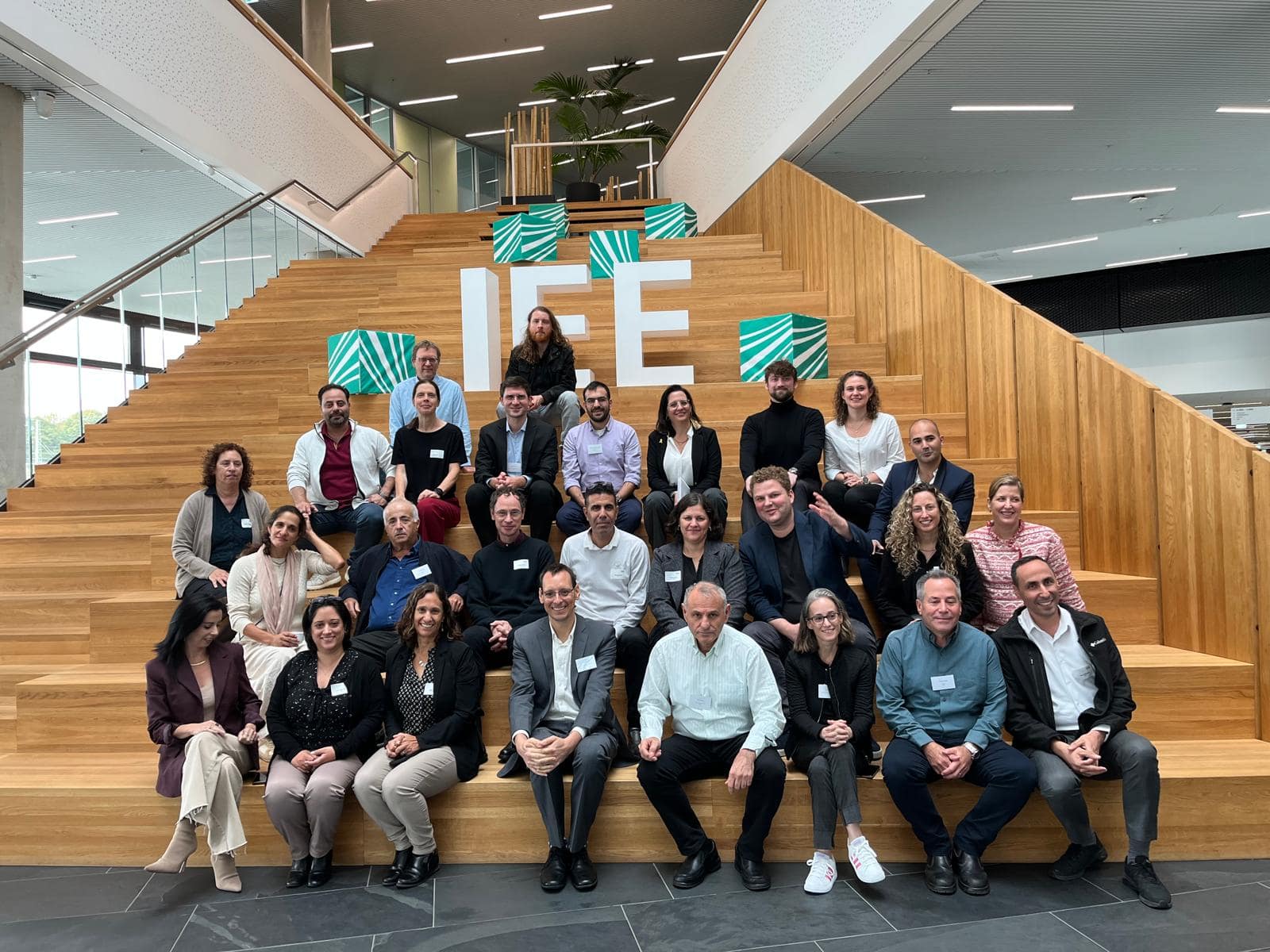
Renewable energy integration is reshaping electricity grids. The Energy Partnership is helping to shape the response. The largest-ever Israeli delegation, including a representative from the Palestinian territories for the first time, joined German counterparts in Berlin, Kassel, and Dortmund to focus on micro- and smart grids. This visit sparked a new regional cooperation on waste-to-energy technologies.
Multilaterally, the Energy Partnership also co-organised a start-up delegation from Türkiye, Jordan and Israel to the SET Tech Festival 2025, through which five Israeli start-ups presented their innovations and took part in a workshop on entering the German and European markets. This activity was followed by a mentoring clinic for German and Israeli energy start-ups regarding intellectual property law and management.
The mentoring programme was co-organized by the World Intellectual Property Organization (WIPO).
Ministerial momentum: Building bridges for 2026
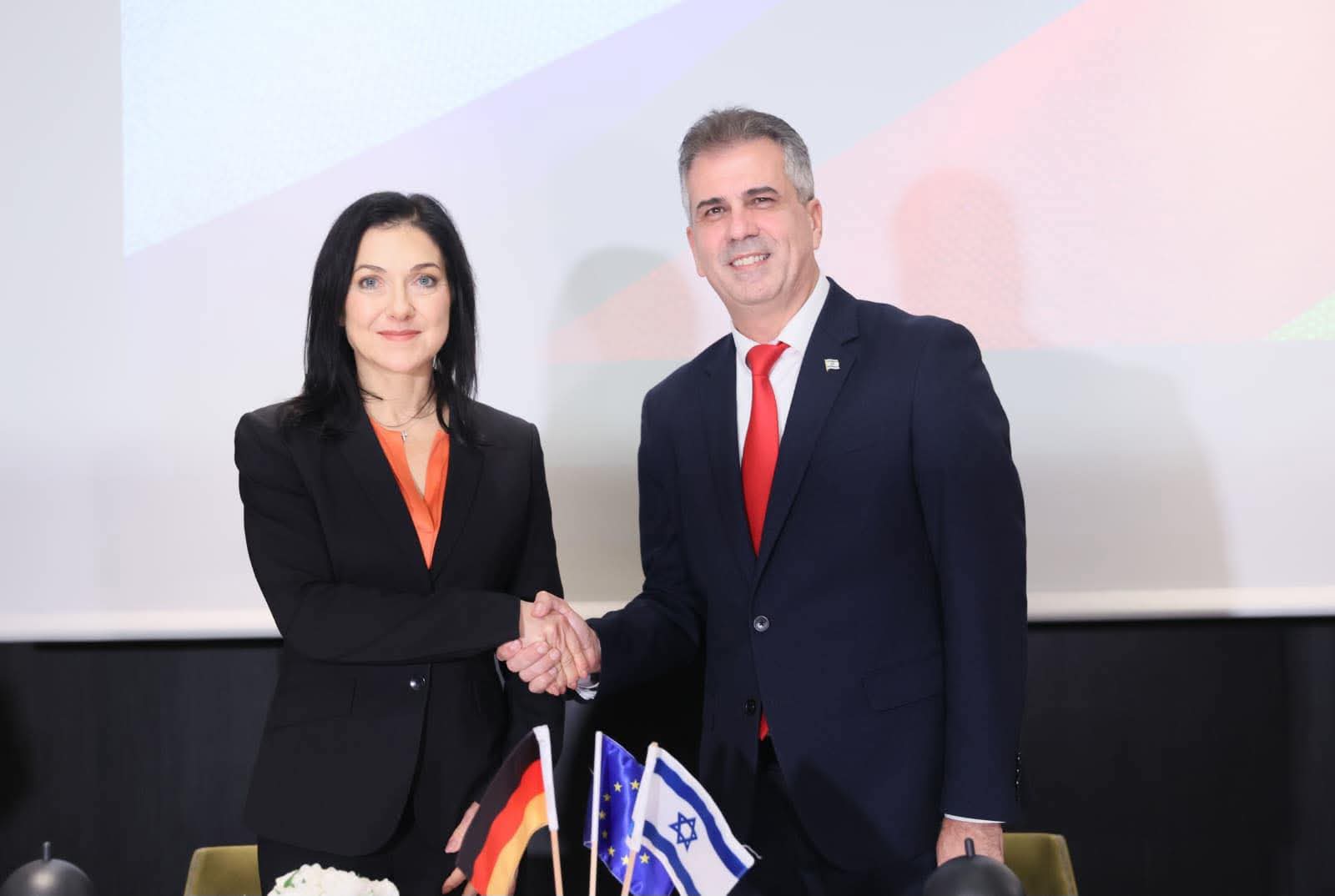
The Energy Partnership further played a key role in Minister Katherina Reiche’s inaugural visit to Israel, culminating in the signing of the 2026 Working Programme with Israel’s Energy Minister Eli Cohen. High-level meetings at the Israel National Cybersecurity Lab laid the groundwork for deeper cooperation – including a multilateral cybersecurity exercise in 2026, involving Israel, the US, and other global partners.
The benefits of the Israeli-German Energy Partnerships at a glance
Sharon Hatzor, Deputy Director General responsible for the division for Policy Planning and Strategy, and Dina Levant, Director for Policy and Foreign Affairs at the Ministry of Energy and Infrastructure of the State of Israel, explain how the Israeli-German Energy Partnership brings together various stakeholders, facilitates the exchange of knowledge and helps to find solutions for a sustainable energy future.
You are currently viewing a placeholder content from Vimeo. To access the actual content, click the button below. Please note that doing so will share data with third-party providers.
More InformationMore information
1. What has been the most tangible outcome or impact of your partnership activities in 2025?
The most tangible outcome of the Energy Partnership’s activities in 2025 has been the Israeli implementation of a new funding programme to promote industrial energy efficiency. This programme, with a budget of 300 million shekels, will support projects that contribute to reducing fuel consumption and efficient electricity use. The programme was designed modelled on a comparable programme by the KfW. Israeli policymakers developed the concept in close exchange with their German counterparts, using the Energy Partnership as a platform for coordination during the design process.
2. Which focus areas were particularly relevant for your country in 2025 and why?
In 2025, the introduction of a new workstream on the physical protection of critical energy infrastructure was a highlight for the Partnership. On the subject of cybersecurity, the Energy Partnership organised a wide array of exchanges and cooperation formats, including a high-level delegation visit to Israel.
Another core topic of the Partnership was natural gas storage. The Energy Partnership supports Israel in the construction of its first natural gas storage, which is a priority, due to the vulnerability of Israel’s gas transmission infrastructure. The Partnership organised workshops on this subject in 2025 and planned an expert mission for June 2026.
Finally, there was continued interest in grid management in general and particularly, microgrids and energy islands, which led to a high-level delegation to Germany in September 2025.
3. What were the main challenges in implementing activities in 2025, and how were they addressed?
No major challenges were encountered.
4. How did your activities contribute to the selected overarching goals (energy security, decarbonisation, foreign trade promotion)?
- In 2025, the Energy Partnership added a new workstream on the physical protection of critical infrastructures to its portfolio. This is a subject where Israel has broad expertise developed through practical experience. Transferring this knowledge to Germany will contribute significantly to improving German energy security.
- Exchanges on flexible grid management contributed to Israel’s efforts to prepare its electricity grid for a higher share of renewables. Increasing the share of renewables in the electricity grid is complex due to their fluctuations. The exchanges of the workstream on grid flexibilisation have in the past contributed to 2.5 GW increase in renewable capacity in the Israeli grid.
- The Energy Partnership also supported Israel’s inclusion in the India-Middle-East-Europe Economic Corridor (IMEC) initiative and other means of interconnecting the Israeli and European electricity and gas grids, as well as promoting gas exports to the EU and Germany in particular.
- By supporting Israel in building its first natural gas storage, the Partnership directly supported the decarbonisation of the country’s energy system. This is due to coal and oil being used as backup power supply should Israel have to stop gas production. In these cases, Israel has only limited hours of gas in its gas grid and needs to switch to energy sources, such as coal. The activity also affects other countries in the region which import gas from Israel.
5. What concrete activities are planned for 2026?
In person:
- Expert exchanges on physical protection of critical infrastructures.
- Participation in a multilateral cybersecurity drill under the ACES cooperation framework.
- Israeli delegation on natural gas storage.
- Academic conference presenting the first results of the research collaboration between MoEI and National Research Center for Applied Cybersecurity ATHENE.
- Delegation on net flexibility and grid management, including a workshop on waste-to-energy.
- German delegation on physical protection of critical infrastructures.
- Sunny Side Summit and German Agri PV delegation.
- Workshop on cybersecurity of E-Mobility.
- Participation in Eilat-Eilot Conference.
- Workshop of WIPO at the SET Tech Festival.
Online:
- Workshop on operational rules for natural gas transport.
- Two workshops on market design.
- Knowledge exchange on low carbon gases.
- Two workshops on seawater desalination.